
Is My Child Ready to Start Montessori School?
Share this Article:
A child may be ready to start Montessori as early as 15 months, even if they are still developing independence, communication, toileting, or comfort with separation. The age for Montessori matters, but readiness also depends on a child’s curiosity, concentration, interest in doing things independently, and willingness to explore.
For parents asking when is my child ready to start Montessori, there is no checklist of skills a child must master first. Looking at age alongside emerging developmental signs can help families decide when the time feels right and which Montessori environment best fits their child.
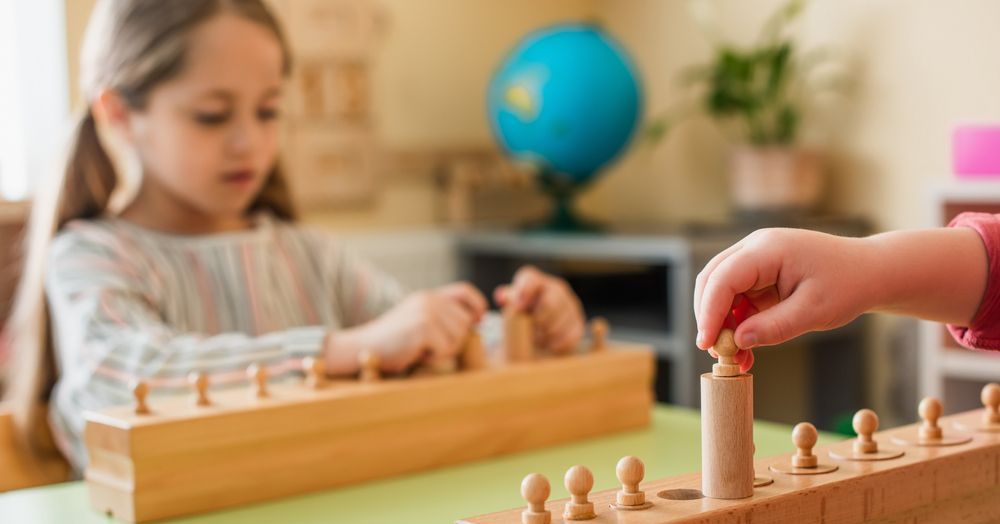
Start With Your Child’s Age and Development
Age is a helpful starting point because Montessori environments are designed around distinct stages of early childhood development. At Mansio Montessori,
our programs serve children from 15 months through kindergarten, with classroom experiences that reflect how children’s independence, communication, movement, and learning change as they grow.
15 Months to 3 Years Old
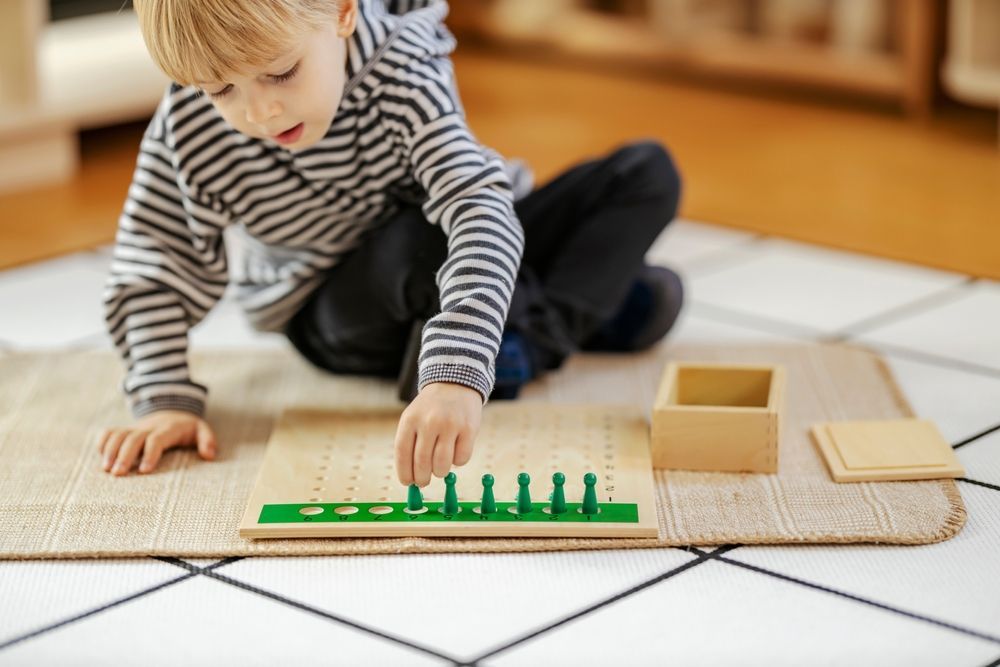
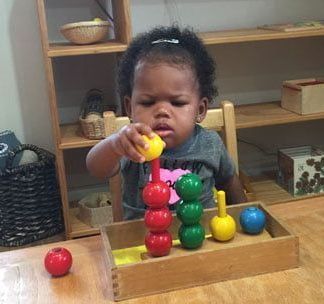
Between 15 months and 3 years old, children are developing language, coordination, independence, and an awareness of everyday routines. They may want to carry their own cup, help clean a spill, choose an activity, or imitate what an adult is doing. These emerging behaviors can fit naturally into a Montessori toddler environment. Children at this age are not expected to manage everything alone. The classroom creates opportunities to practice practical skills at a pace appropriate for their development.
3 to 5 Years Old
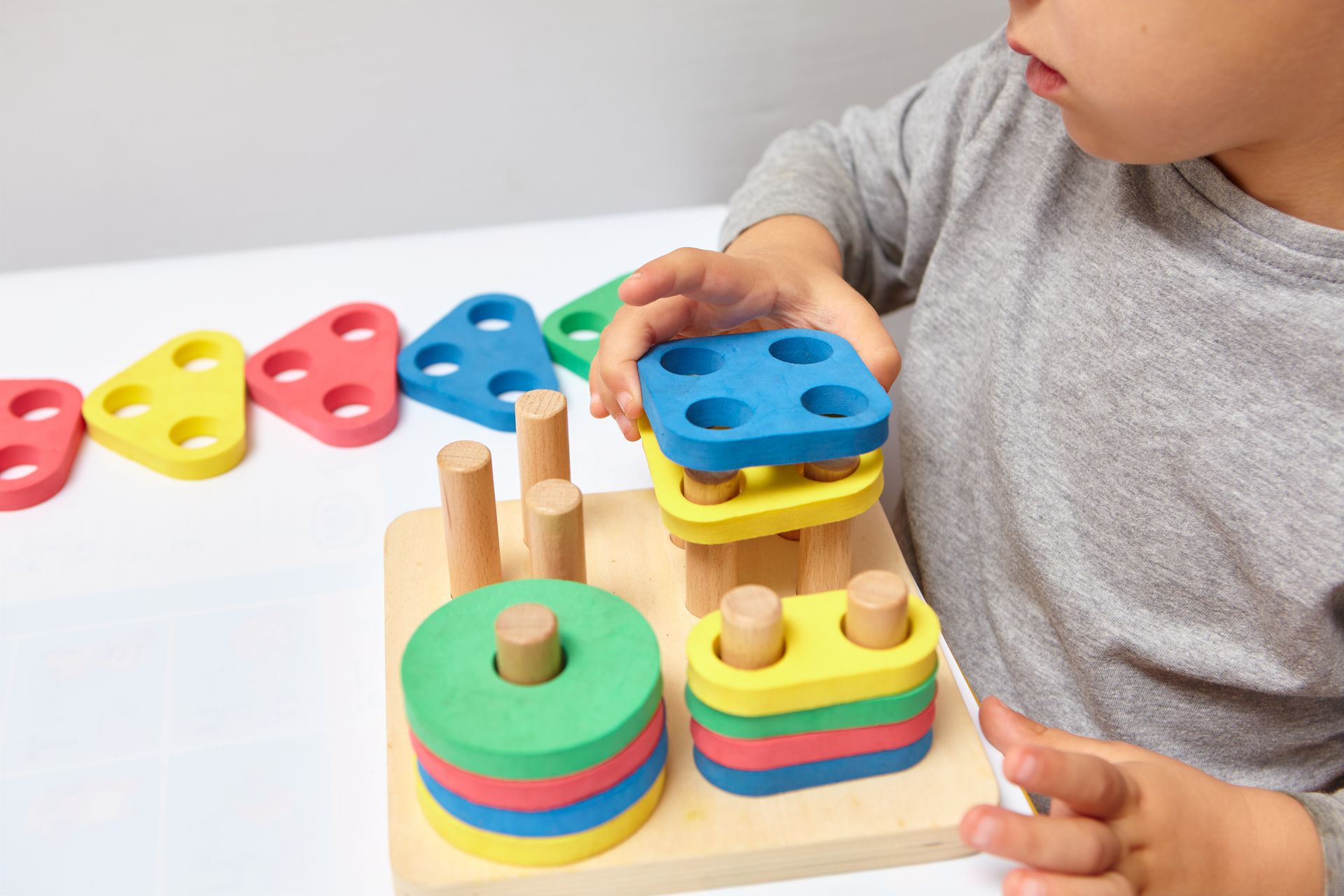
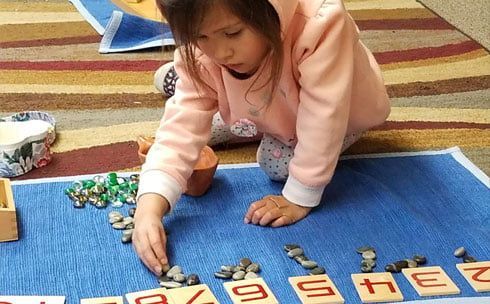
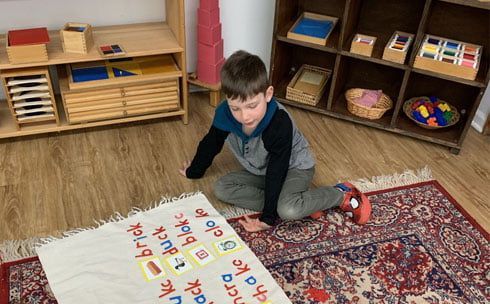
From ages 3 to 5, children often become increasingly interested in purposeful activities, social relationships, and completing tasks with greater independence. They may concentrate on an activity for longer periods, communicate their needs more clearly, or enjoy repeating something until they understand it. In a mixed-age Montessori classroom, children can work at their own developmental level while observing older classmates. As they gain experience, they also begin taking on greater responsibility and becoming examples for younger children.
Look for Signs Your Child Is Ready for Montessori
Parents wondering when is my child ready to start Montessori can look for behaviors that are beginning to emerge rather than skills already mastered. Independence, curiosity, concentration, and a growing interest in exploring are useful signs to notice in everyday routines.
Growing Independence in Daily Routines
Young children often show independence before they can complete a task successfully on their own. A child might insist on washing their hands, putting away a toy, carrying their plate, or attempting to get dressed. These moments matter because Montessori classrooms create many opportunities for children to practice caring for themselves and their surroundings. Readiness can simply mean wanting to participate and try. Teachers can then introduce appropriate activities as coordination, confidence, and independence continue to develop.
Curiosity, Concentration, and Willingness to Participate
A child who investigates how something works, repeats a favorite activity, or becomes absorbed in a task is showing behaviors that fit naturally with Montessori learning. Concentration does not need to last for long periods, especially for younger children. More useful signs include returning to an activity, watching a demonstration with interest, or wanting to participate in everyday tasks. Montessori gives children time to practice purposeful work repeatedly, helping concentration and confidence develop through experience.
Comfort Exploring With Guidance Nearby
Readiness does not mean a child must confidently separate from a parent or immediately feel comfortable in every new setting. Some children explore readily, while others prefer to observe before joining an activity. A useful sign is a growing willingness to investigate when a trusted adult is nearby. As classroom routines, teachers, and surroundings become familiar, children can gradually feel more secure navigating the environment. Hesitation during a transition can be part of adjusting rather than evidence that school began too soon.
Readiness Doesn't Mean Having Every Skill
Starting Montessori is a chance to develop skills, not a test of everything a child can already do. Children enter the classroom with different abilities and experiences. What matters is having opportunities to practice emerging skills through purposeful activities, repetition, and age-appropriate expectations.
Your Child Doesn't Have to Be Fully Independent
Independence develops gradually, so children may still need help with dressing, eating, toileting, transitions, or communicating what they need. At Mansio Montessori, children can practice age-appropriate self-care and practical life activities as part of their daily experience. For example, Mansio’s Toddler Program does not expect children to arrive fully potty trained. Teachers work with children as these abilities develop, helping them experience the satisfaction that comes from completing more tasks for themselves over time.
Prior Montessori Experience Is Not Required
Families sometimes worry that a child who has attended daycare, another preschool, or stayed home will be behind children already familiar with Montessori. Prior Montessori experience is not required to enroll at Mansio. New students have time to learn classroom routines, observe how materials are used, and become familiar with choosing and completing activities. Mixed-age classrooms also create natural opportunities to learn by watching classmates. With consistent routines and practice, children can gradually become comfortable with the Montessori environment.
Final Considerations Before Starting Montessori
Readiness also involves finding a school that fits a child’s developmental stage and the family’s educational goals. Before making a decision, families can learn about classroom expectations, daily routines, and
enrollment and admissions while considering how the school approaches early childhood growth.
Make Sure the Montessori Environment Fits Your Child
A school visit can reveal details that are difficult to understand from a program description alone. Notice how teachers interact with children, how materials are arranged, and how students move through the classroom. A prepared Montessori environment should encourage purposeful choice, hands-on learning, repetition, and age-appropriate independence. Families can also ask about teacher training, classroom routines, and expectations for new students. Seeing these elements in practice can clarify how comfortably a child may engage with the environment.
Think About Where Your Child Is in the Three-Year Cycle
Montessori education is structured around three-year developmental cycles rather than isolated school years. In
multi-age classrooms, younger children can observe more experienced classmates, while older children reinforce their learning through leadership and role modeling. Mansio asks families to commit to this progression, which culminates in the Kindergarten year. When considering when your child is ready to start Montessori, think beyond the first few months and consider how entering at this stage fits the child’s longer educational experience.
Tour Mansio Montessori and See for Yourself
Seeing a Montessori classroom in person can help bring the readiness decision into focus. At
Mansio Montessori, families can observe the prepared environment, learn how classroom routines work, and discuss where their child is developmentally with the school team. A visit also creates an opportunity to ask questions about programs, expectations, and the three-year cycle. If Montessori feels aligned with the experience you want for your child,
schedule a visit to see the environment firsthand.