
Questions to Ask During a Montessori Preschool Tour
Share this Article:
A preschool tour is a chance to look beyond the classroom setup and learn how a school approaches each child’s growth. The right questions to ask on Montessori tour visits can reveal how children choose their work, how teachers respond when help is needed, and how independence develops. Knowing what to ask and observe can help families compare programs thoughtfully and find an environment that fits their child.
What Does a Typical Day Look Like?
Ask how children move through a typical day, including uninterrupted work periods, outdoor time, meals, rest, and group activities. In a Montessori preschool program, the daily rhythm should create time for children to concentrate, choose purposeful work, and practice everyday responsibilities. Listen for a clear routine that balances consistency with flexibility rather than a schedule packed with frequent transitions from one teacher-led activity to another.
How Much Choice Do Children Have in Their Work?
Ask what children can choose independently and where teachers set boundaries. Montessori classrooms use freedom within limits, so children select purposeful work from activities they have been introduced to while following expectations for respectful behavior and material use. Families wondering if their child is ready to start Montessori school can listen for examples of how teachers balance individual choice with structure, responsibility, and each child’s developmental stage.
How Do Teachers Know When to Step In?
Montessori teachers observe children closely before deciding when intervention is helpful. During a tour, ask how teachers respond when a child struggles with a material, becomes frustrated, or needs redirection. A thoughtful answer should explain how teachers distinguish productive struggle from a moment that calls for help. This approach gives children time to solve problems independently while keeping an attentive adult nearby when guidance is appropriate.
How Do Montessori Materials Support Independence?
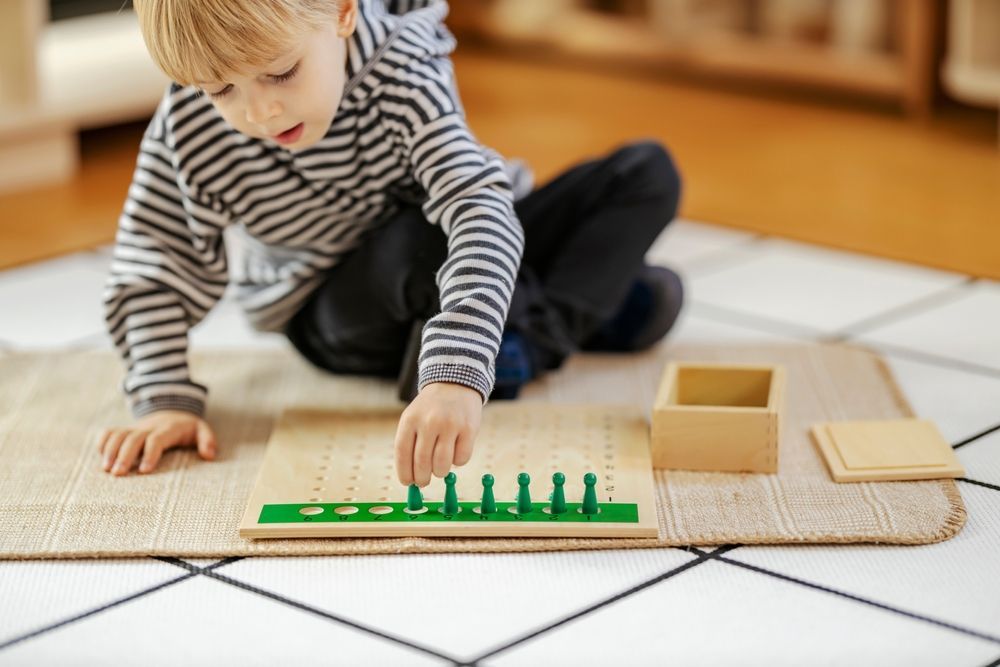
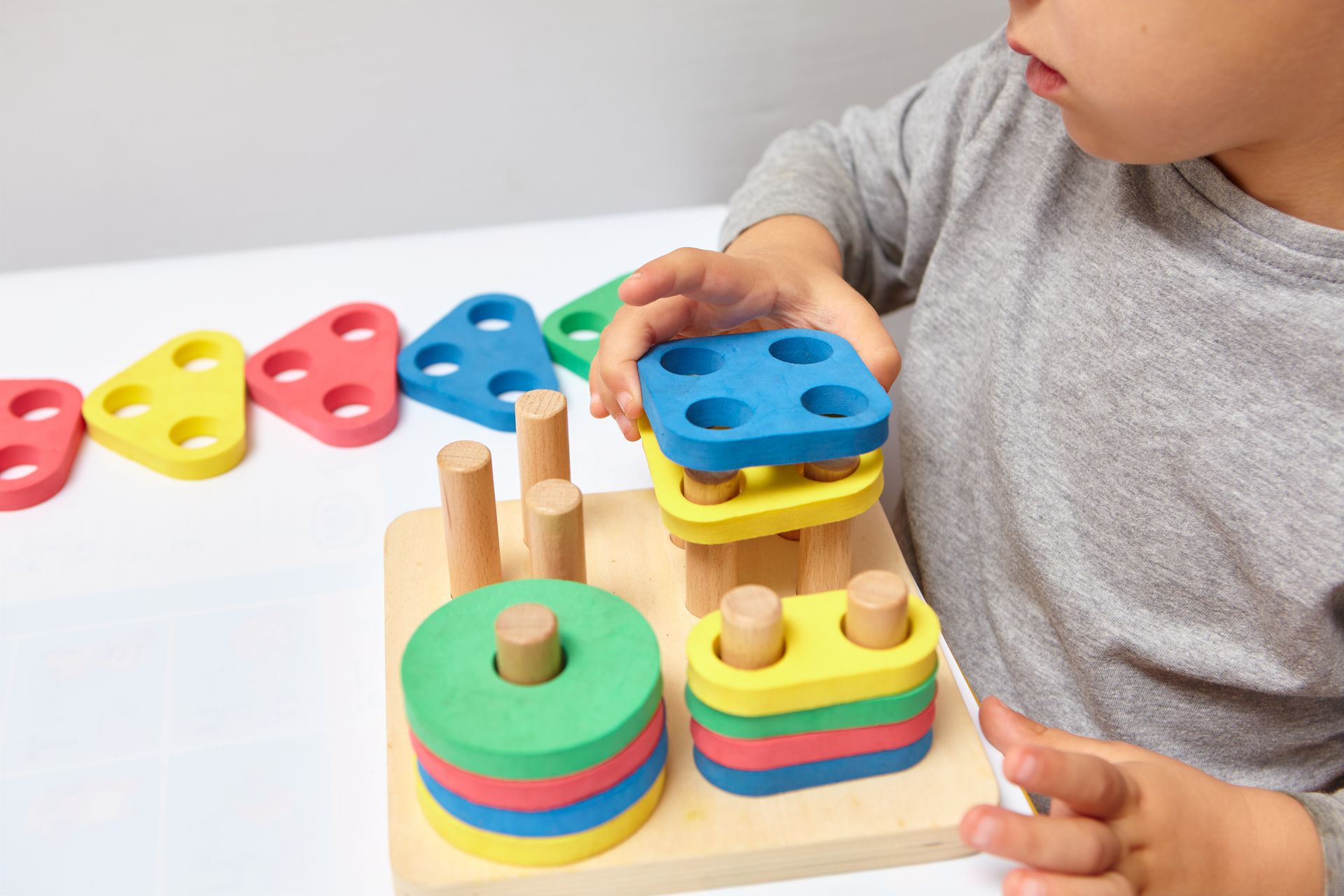
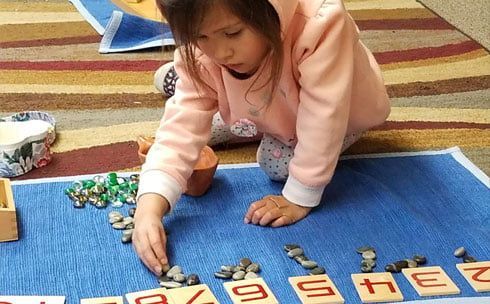
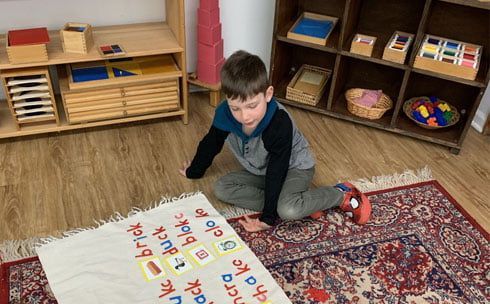
Ask the teacher to explain a few materials rather than judging them by appearance alone. Many Montessori activities isolate a specific skill and include a built-in way for children to recognize and correct mistakes. This encourages repetition, concentration, and problem-solving without constant adult feedback. During the tour, notice if materials are accessible, arranged in an orderly sequence, and returned by children after use. Those details show how the classroom encourages independent learning.
How Does a Mixed-Age Classroom Benefit My Child?
Ask how children of different ages learn from one another during the day. In a multi-age classroom, younger children can observe skills and routines modeled by older classmates, while older children strengthen confidence and leadership through helping others. The age range also lets children progress at an individual pace instead of moving together through identical activities. Look for examples of peer learning that happen naturally during classroom work.
What Montessori Training Do Teachers Have?
Ask about the Montessori training held by classroom teachers and how that preparation shapes their daily work. Montessori-specific education teaches adults to observe development, present materials intentionally, and recognize when a child is ready for a new challenge. Mansio Montessori’s teachers are Montessori-certified and use this training to foster growth across academic, social, emotional, and practical areas. The answer should connect teacher credentials to what families will actually see in the classroom.
How Does the Three-Year Cycle Lead to Kindergarten?
Ask how each year builds on the one before it. During the three-year Primary cycle, children begin by learning classroom routines and observing older peers, then gain independence as their skills develop. By Kindergarten, they can deepen earlier learning and take on greater responsibility within the classroom. Families considering enrollment should ask why completing this cycle matters and what growth teachers typically see as children move through each stage.
What Should I Notice During the Classroom Observation?
Look beyond décor and notice how children and teachers use the space. A Montessori classroom may be active, but the activity should feel purposeful. Watch for signs such as:
- Children concentrating on chosen work
- Teachers observing before intervening
- Materials kept accessible and orderly
- Children returning work after use
- Respectful interactions among different ages
These details can reveal how Montessori principles function during an ordinary classroom day.
How Do You Support Social and Emotional Development?
Ask how children practice patience, communication, responsibility, and respect during everyday classroom interactions. Montessori classrooms often teach Grace and Courtesy through lessons and adult modeling, giving children practical ways to greet others, take turns, listen, and care for shared spaces. Look for an answer that connects social-emotional growth to daily experiences rather than isolated activities. These skills help children become confident classroom participants while learning to consider the needs of others.
How Do Teachers Handle Conflict Between Children?
Ask what happens when children argue, grab a material, hit, or struggle to take turns. The response should include specific examples of how teachers address safety, model respectful language, and help children work through disagreements. Montessori teachers may step in differently depending on the children’s ages and the situation. Listen for an approach that treats conflict as an opportunity to practice communication, self-control, problem-solving, and respect for others.
How Does the School Communicate With Families?
Ask how teachers share classroom progress, developmental observations, and concerns with families. Communication may include conferences, direct conversations, written updates, or other school-specific methods. More frequent contact does not always mean more meaningful information, so ask what families can expect to learn about their child over time. It is also helpful to know whom to contact with questions and how teachers approach conversations when a child needs additional attention.
How Does Montessori Prepare Children for the Future?
Ask how classroom experiences build skills children can carry into elementary school and beyond. Montessori encourages concentration, independence, problem-solving, responsibility, and comfort with learning at an individual pace. Children also practice completing tasks, caring for shared spaces, and working alongside others. When considering questions to ask preschool tour staff, listen for specific examples of how daily classroom experiences build these habits rather than broad promises about future success.
Schedule a Tour at Mansio Montessori
The best questions to ask on Montessori tour visits become more meaningful when families can observe the classroom firsthand. At Mansio Montessori, a tour is an opportunity to see the prepared environment, learn about the three-year cycle, and discuss how Montessori principles shape each child’s experience. Schedule a visit to Mansio Montessori in Geneva, IL, and bring the questions that matter most to your family and your child’s preschool experience.