
The Benefits of Repetition in Early Childhood Learning
Share this Article:
Young children naturally return to the same story, activity, or lesson again and again. While it may seem repetitive to adults, this process plays an essential role in healthy development. The benefits of repetition in early childhood include stronger cognitive development, increased confidence, improved concentration, and the opportunity to truly master new skills. These repeated experiences help children build a strong foundation that supports future academic, social, and emotional growth.
At Mansio Montessori, repetition is encouraged because it allows children to learn through experience rather than memorization. By working with materials as often as they need, children develop independence, confidence, and a genuine love of learning that lasts well beyond the early years.
How Repetition Builds the Young Brain
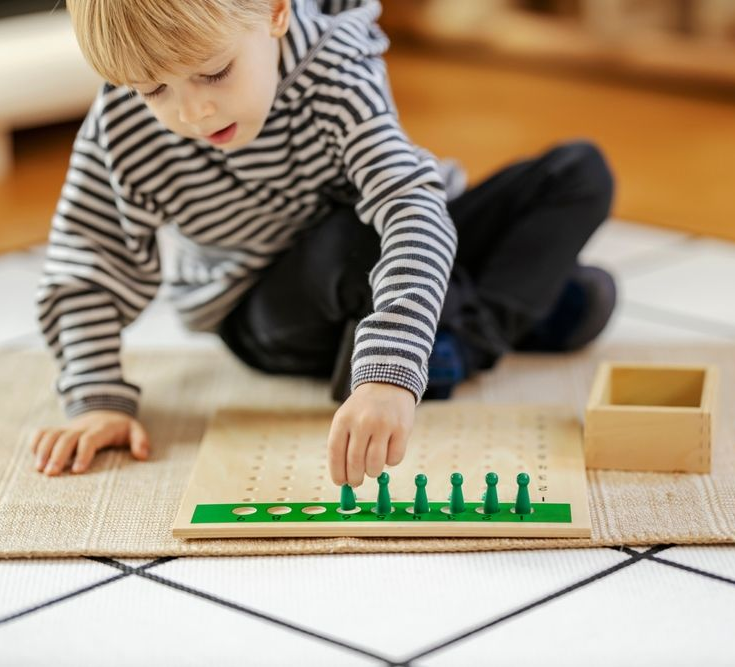
Each time a child repeats an activity, important neural pathways are strengthened. These repeated experiences help children retain information, refine their abilities, and build upon skills they have already mastered. As those connections grow stronger, children become more comfortable applying what they have learned in new situations and everyday experiences.
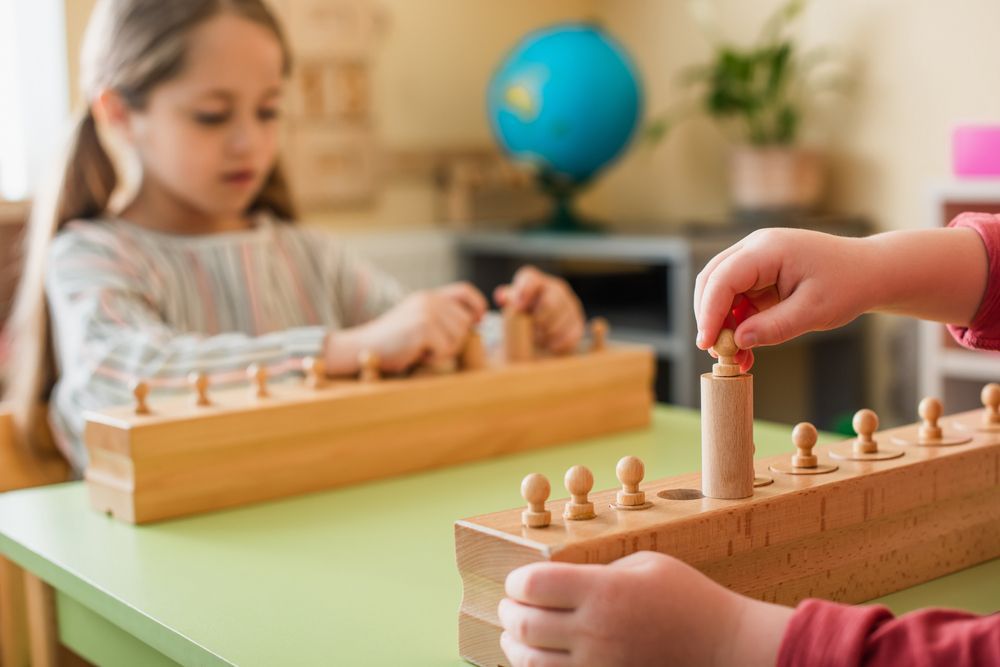
Rather than moving quickly from one lesson to the next, Montessori education gives children the freedom to practice until they feel successful. Our uninterrupted work periods allow children to fully engage with materials, develop concentration, and gain confidence through their own accomplishments.
In our
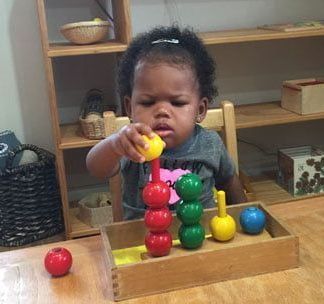
toddler program, repetition happens naturally as children explore hands-on materials that match their developmental needs. Every repeated experience helps lay the groundwork for future learning while honoring each child's individual pace.
Why Children Return to Familiar Work
Young children are naturally drawn to activities they have already experienced. They aren't simply repeating the same task; they are refining their movements, strengthening their understanding, and building greater independence with every attempt.
Montessori classrooms embrace this natural instinct by allowing children to choose meaningful work and return to it as often as they wish. There is no pressure to move on before they are ready. Instead, children gain confidence through self-correcting materials, personal discovery, and the satisfaction of mastering a skill on their own.
This child-led approach nurtures curiosity, perseverance, and a lifelong enthusiasm for learning. Children also develop patience as they experience the value of practicing something until it feels natural and rewarding.
Benefits of Repetition in Early Childhood
The benefits of repetition in early childhood extend into every area of development. As children practice meaningful work, they strengthen academic, social, emotional, and physical skills that prepare them for future success in our
kindergarten program and beyond.
Builds Confidence
Confidence grows through success, and success often comes through repetition. Each time children complete a familiar activity independently, they begin to trust their own abilities. Rather than relying on constant praise from adults, Montessori children experience the internal satisfaction that comes from accomplishing something on their own. This sense of achievement encourages them to embrace new challenges, solve problems independently, and approach learning with confidence. Over time, this confidence helps children take healthy risks and build resilience.
Supports Language and Motor Skills
Repeated conversations, stories, songs, and hands-on activities give children meaningful opportunities to strengthen both language and motor development. As children revisit familiar materials, they expand vocabulary, improve coordination, refine fine motor control, and become more comfortable sharing their thoughts and ideas. Repetition also helps everyday movements feel more natural and purposeful. These foundational skills support future reading, writing, problem-solving, and independence while giving children the confidence to participate more fully in classroom activities and social interactions.
Encourages Focus
Children develop concentration by having time to fully engage in meaningful work. As activities become familiar, they can focus less on understanding directions and more on refining their skills. Over time, this sustained attention helps children build patience, persistence, careful observation, and independent problem-solving. Strong concentration also helps children move more confidently between activities while remaining engaged in the learning process. These habits prepare them to approach future learning with curiosity, confidence, and a greater ability to stay focused.
How Montessori Turns Repetition Into Mastery
Montessori education transforms repetition into meaningful growth by allowing children to revisit activities until they truly understand them. Rather than memorizing information, children learn through exploration, discovery, and purposeful practice.
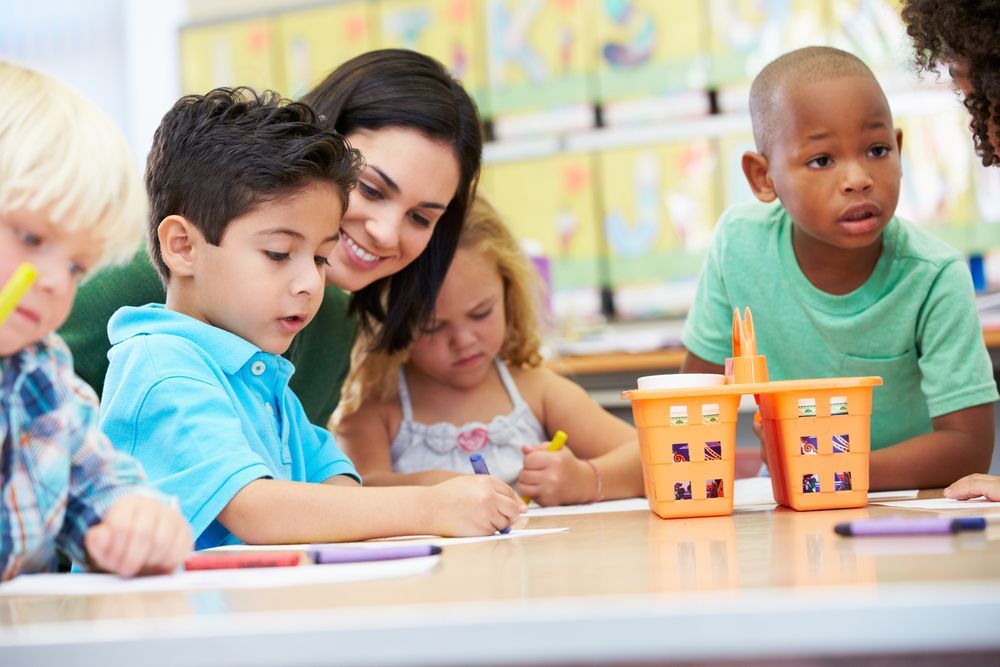
Our Montessori-certified teachers carefully observe each child, introducing new lessons when they are developmentally ready while allowing plenty of time for repetition and mastery. This individualized approach respects every child's unique learning journey while fostering independence and confidence.
Our
preschool program provides a carefully prepared environment where children have the freedom to repeat meaningful work every day, helping them build lasting skills through hands-on experiences and self-directed learning. This consistent routine encourages children to become active participants in their own education while developing responsibility and self-motivation.
Repetition Activities for Young Children
Many everyday activities naturally encourage repetition while supporting healthy development. When children are free to practice skills at their own pace, they build confidence, strengthen abilities, and develop greater independence. Simple routines at home and in the classroom provide valuable opportunities for children to practice new skills in meaningful ways every day.
Practical Life Activities
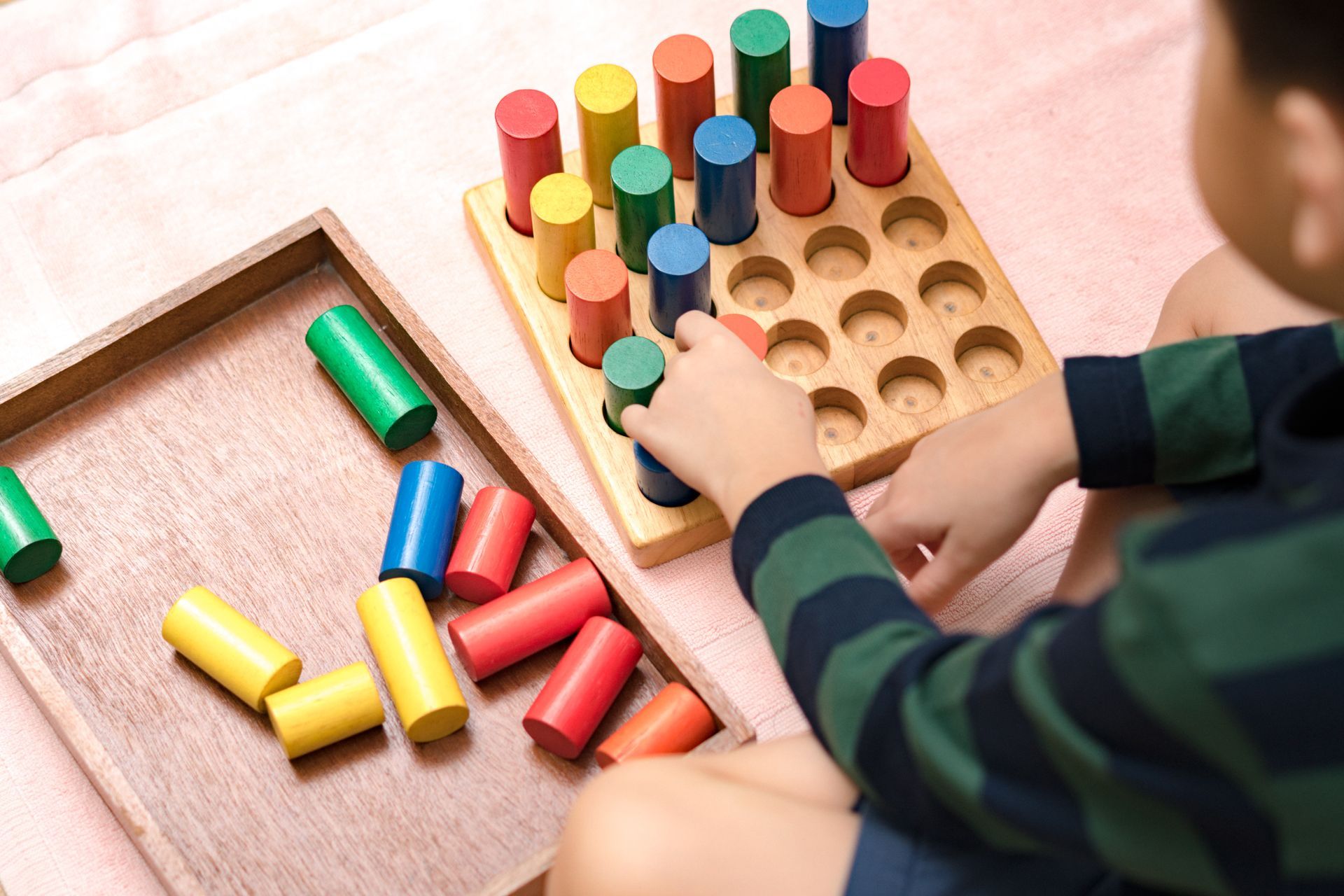
Activities such as pouring water, sweeping, folding towels, buttoning clothing, and preparing simple snacks give children repeated opportunities to strengthen coordination, concentration, and fine motor skills. These purposeful tasks also teach responsibility while helping children become confident contributors within their classroom community.
Language and Counting Games
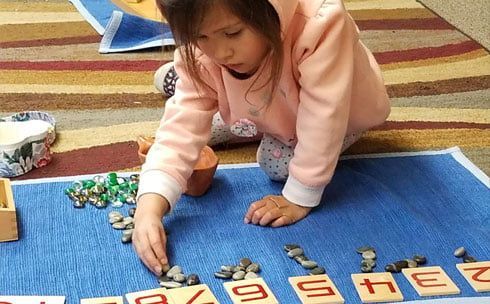
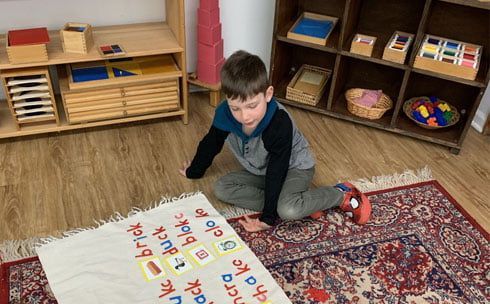
Reading favorite books, singing familiar songs, practicing letter sounds, and counting everyday objects all reinforce early literacy and math skills through repetition. As children revisit these activities, they strengthen vocabulary, number recognition, memory, and problem-solving while building a strong academic foundation.
Movement and Sensorial Play
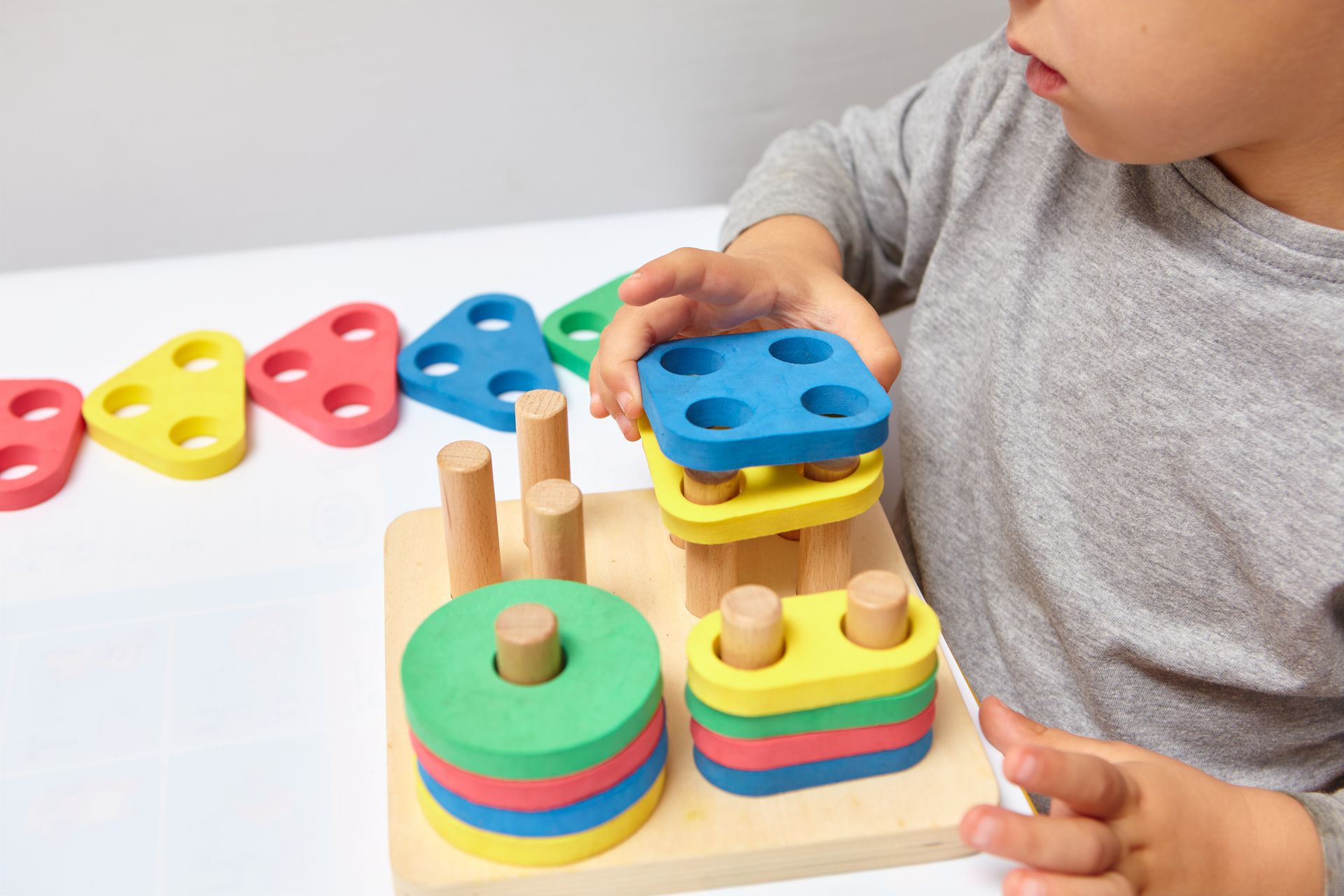
Balancing, sorting, tracing, matching colors, and exploring different textures encourage children to learn through movement and sensory exploration. Repeated practice strengthens coordination, observation, body awareness, and critical thinking while helping children better understand the world around them.
See Repetition in Action at Mansio Montessori
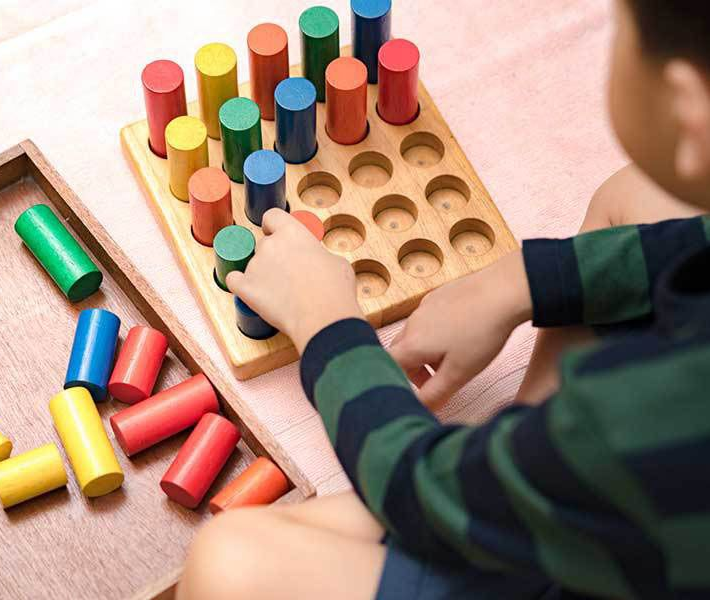
Every child learns differently, and every child deserves the time to master new skills with confidence. At Mansio Montessori, repetition is embraced as a natural part of learning because it allows children to build independence, strengthen their abilities, and discover the joy of accomplishing things for themselves.
We invite families to schedule a visit and experience our classrooms firsthand. You'll see how our prepared environment, certified Montessori teachers, and child-led approach support every stage of development.
If you'd like to learn more about
enrollment, we're happy to answer your questions and help you discover whether Mansio Montessori is the right fit for your family.