
What Does “Follow the Child” Mean in Montessori Education?
Share this Article:
A toddler who insists on climbing into the car seat alone. A four-year-old who asks to crack the eggs every single morning. Moments like these say a lot about how young children learn, and they sit at the heart of a phrase Montessori families hear often: “follow the child.”
For parents just starting to look at preschools, the phrase can raise more questions than it answers. Does it mean kids do whatever they like all day? Who decides when it’s time for letters and numbers?
The follow-the-child Montessori approach pairs a child’s natural curiosity with a carefully planned classroom and teachers who watch, adjust, and step in at the right time. Here’s how that looks from 15 months through kindergarten.
Following the Child Means Choice Within Clear Limits
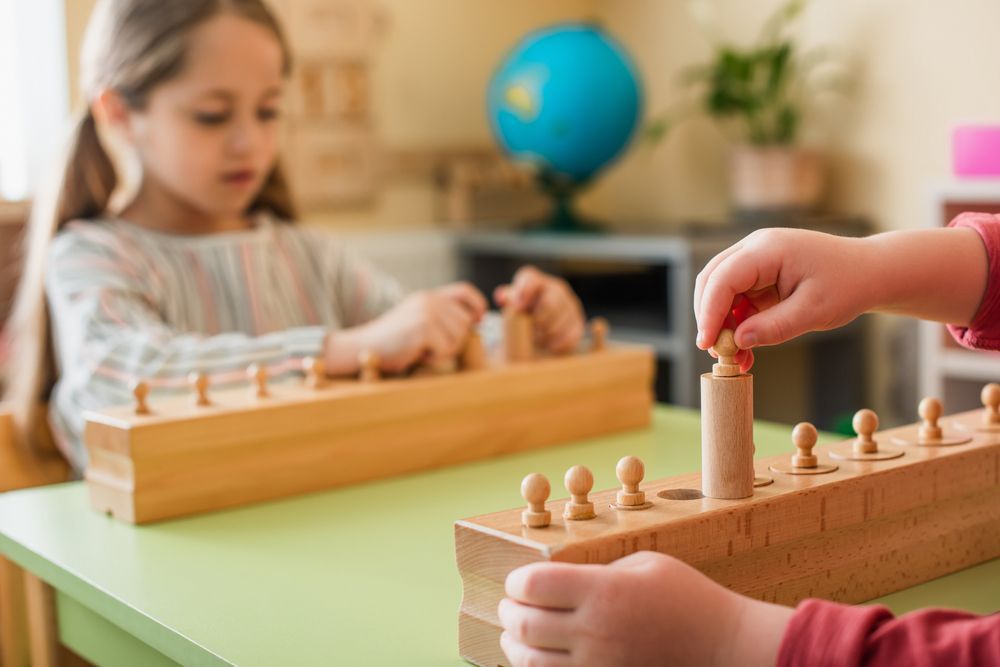
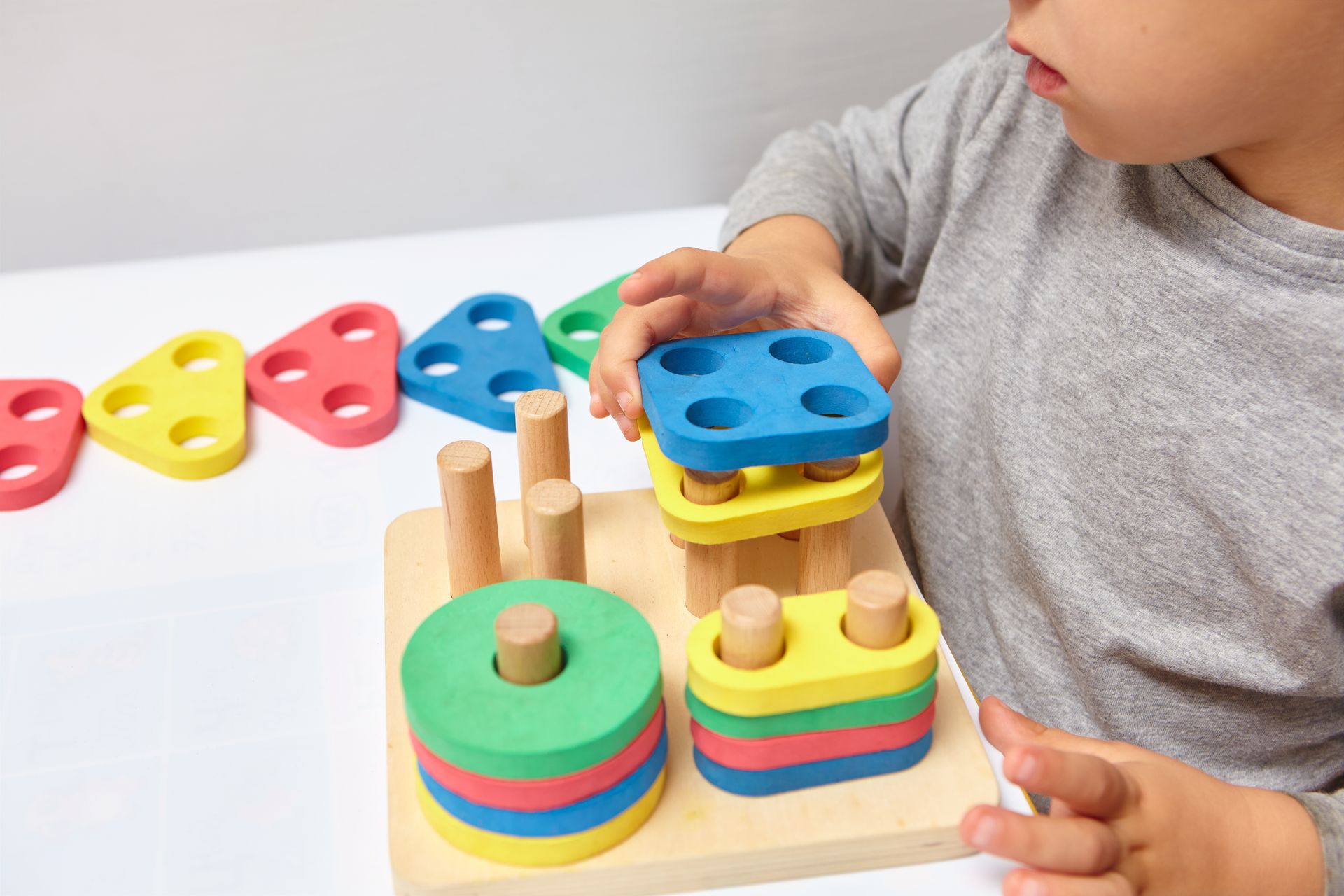
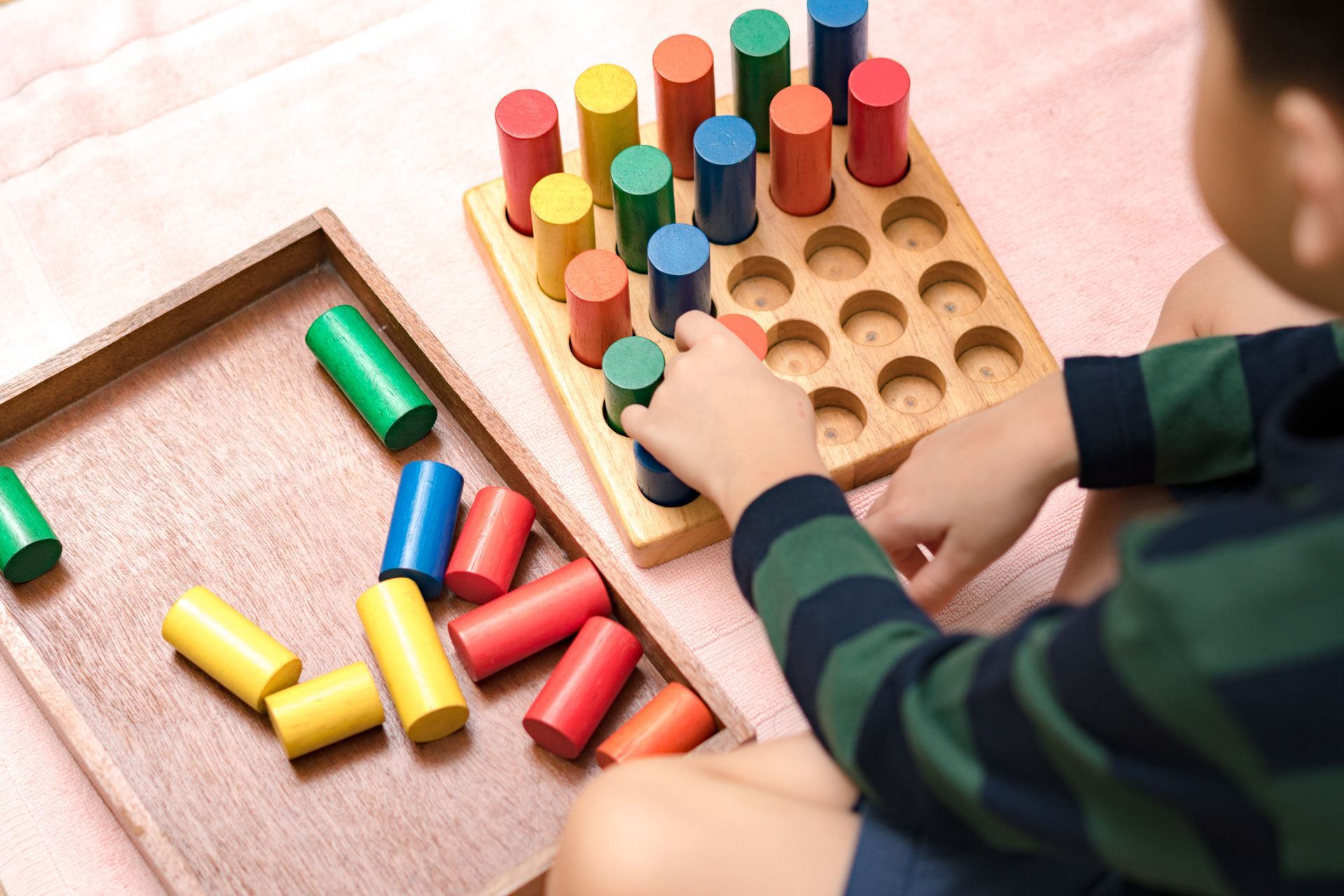
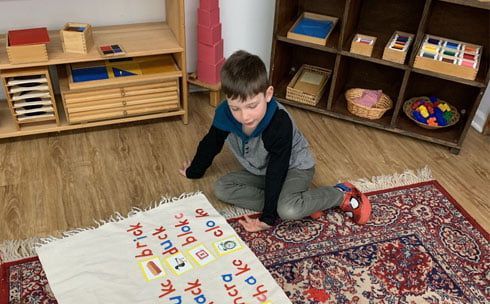
Montessori philosophy treats freedom and structure as partners. Before children arrive each morning, teachers set up the classroom with a purpose. Every material on the shelf has a specific job, from wooden knobbed cylinders that strengthen the fingers used for writing to pitchers sized for small hands. Most materials come in a single set, so children learn patience and turn-taking.
Within that space, a child picks what to work on, where to sit, and how long to stay with it. A few firm rules hold everything together: use materials with care, respect other people’s work, and return each item to its place when finished.
That balance is what
meaningful choice looks like for young children. They make real decisions all day, and every option within reach is one worth choosing.
How Teachers Know When to Guide and When to Observe
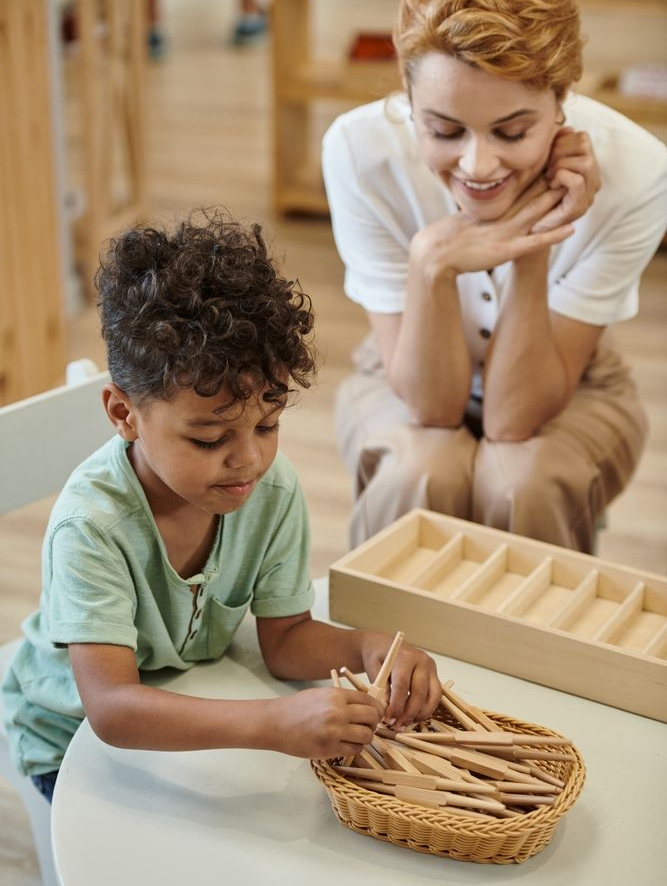
Watching comes first. Montessori teachers spend much of each morning observing: which materials a child returns to, how long they concentrate, and where they get stuck. Montessori training treats this balance of observation and intervention as the heart of the teacher’s role.
A teacher usually steps in when a child:
- Has mastered a material and seems ready for the next challenge
- Keeps repeating a mistake the material can’t reveal on its own
- Wanders without settling into any work
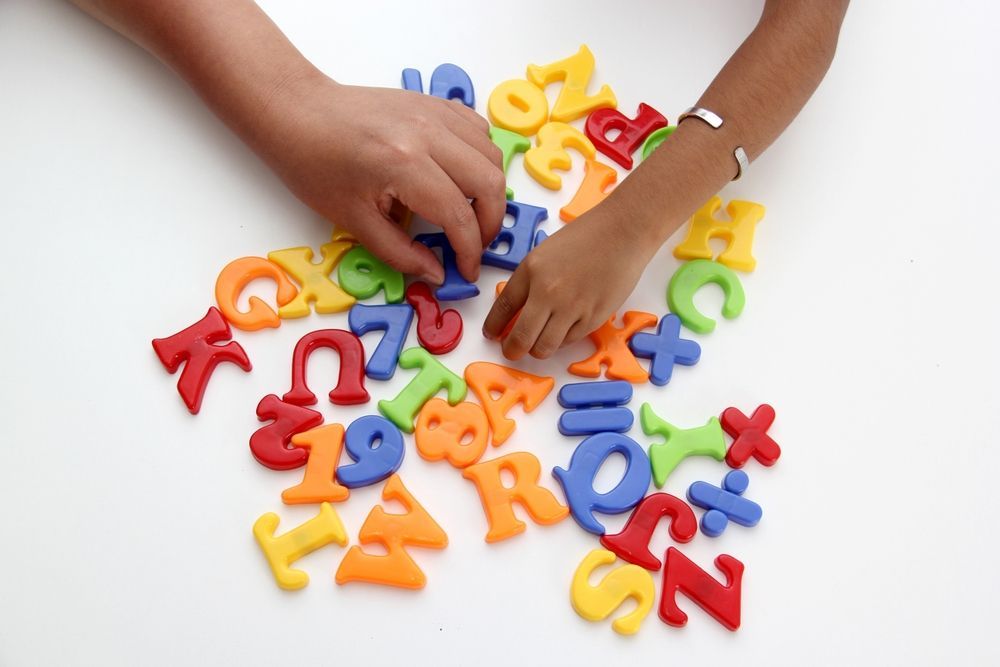
What about a child who steers clear of letters or numbers? Teachers notice the pattern and look for a way in. A child fascinated by trucks might count toy vehicles or trace the letter T. Small, well-timed invitations like these show
how Montessori teachers shape child development over time.
From Choice to Mastery: A Child's Montessori Work Cycle
Picture a three-year-old choosing a tray with two small glass pitchers. Here’s how that single choice usually unfolds:
Choosing. The child picks the tray from the shelf and carries it carefully to a table.
Working. Water travels from one pitcher to the other. Any drips on the tray show right away that something needs adjusting, a built-in control of error that lets the child catch mistakes without an adult pointing them out.
Repeating. The child pours again, maybe ten times in a row, each round a little steadier.
Finishing. A small sponge wipes up the drips, and the tray goes back on the shelf for the next child.
That urge to repeat matters. Repetition in early childhood learning builds coordination, concentration, and the deep satisfaction of getting something right on one’s own. This smooth rhythm takes time, though. New students often need weeks or months to settle into it, a process Montessori educators call normalization.
How Following the Child Changes With Age
Following the child looks different at 18 months than it does at five. Mansio’s classrooms are arranged around those stages, and
our programs separate toddlers from the primary-age group so each room fits the children in it.
15 Months to Age 3: Exploration and Simple Choices
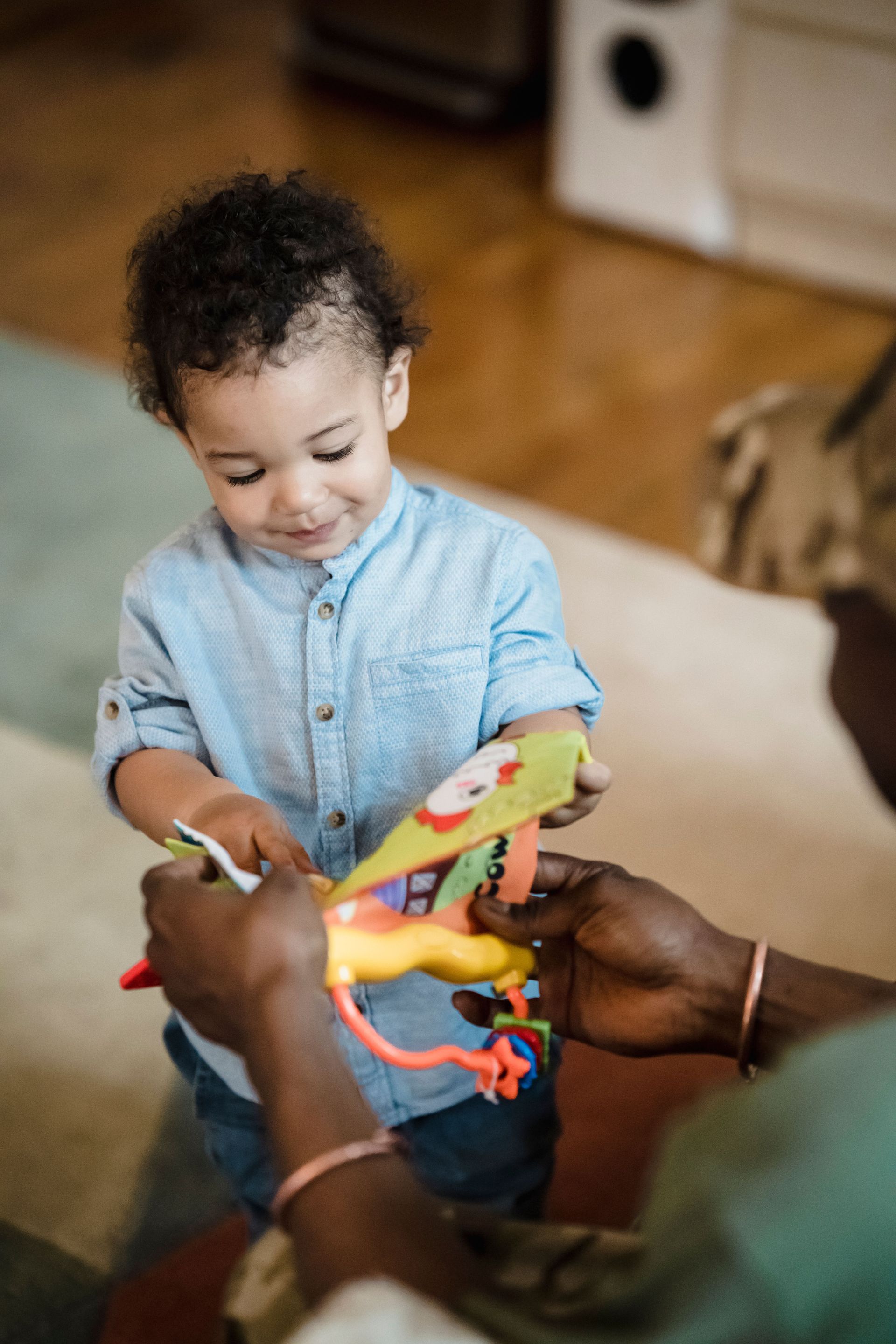
Toddlers are in what Montessori called sensitive periods for movement and order, windows when a child feels a strong drive to build a specific skill. A child this age may want the same song every morning or insist on carrying a chair across the room alone. Teachers follow these signals with short, hands-on activities like spooning beans between bowls or opening and closing jars. Choices stay simple, often between two options, so a young child can decide without feeling overwhelmed. Everyday routines like washing hands or pulling on shoes become chances to say, “I can do it myself.”
Ages 3 to 6: Focus and Growing Responsibility
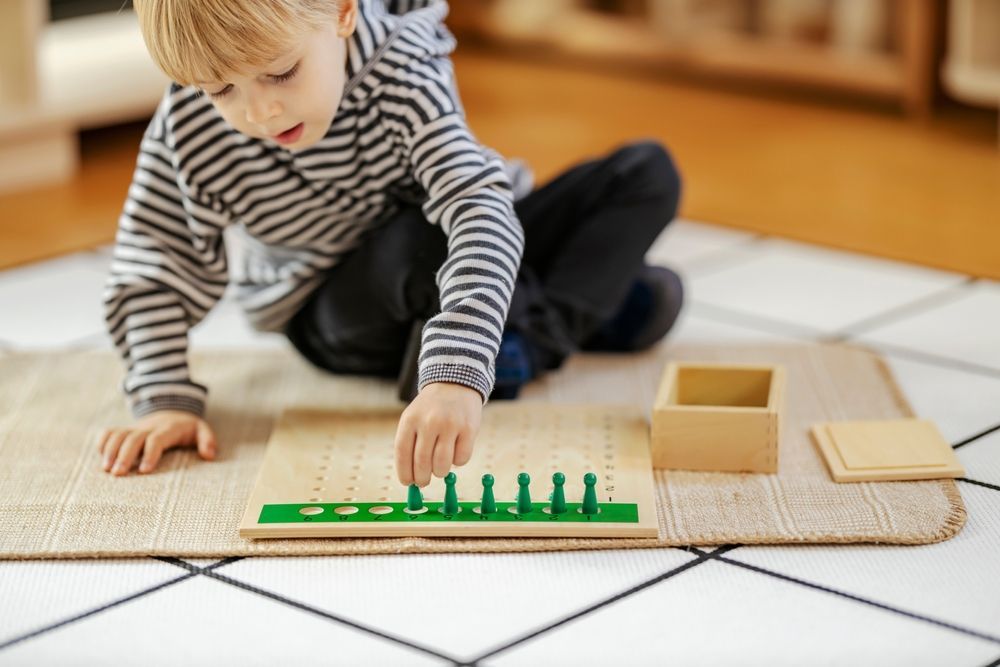
Between three and six, attention spans stretch and interests deepen. A four-year-old might spend twenty minutes tracing sandpaper letters or laying out long bead chains to count. Teachers introduce new lessons as each child shows readiness, so one child may be reading simple words while a classmate works through early addition. Responsibility grows, too. Children water plants, set the snack table, and help keep the classroom in order, building a sense that they belong to a community that relies on them.
The Three-Year Cycle: Building Confidence and Leadership
Mansio asks families to commit to a three-year cycle that ends with the kindergarten year, and the reason ties back to observation. When the same teachers know a child for three years, they can spot patterns, pace lessons, and catch small struggles early. That long view is where follow-the-child Montessori learning does its best work.
In
multi-age classrooms, younger children watch older classmates tackle harder materials and feel drawn toward them. Some parents wonder if a five-year-old will spend kindergarten helping little ones instead of learning. In practice, explaining a skill to a younger friend deepens the older child’s own understanding. Kindergartners also take on the most advanced work in the room, pulling together concepts they’ve built since age three. Leaving after year two means missing that payoff.
How Parents Can Follow Their Child at Home
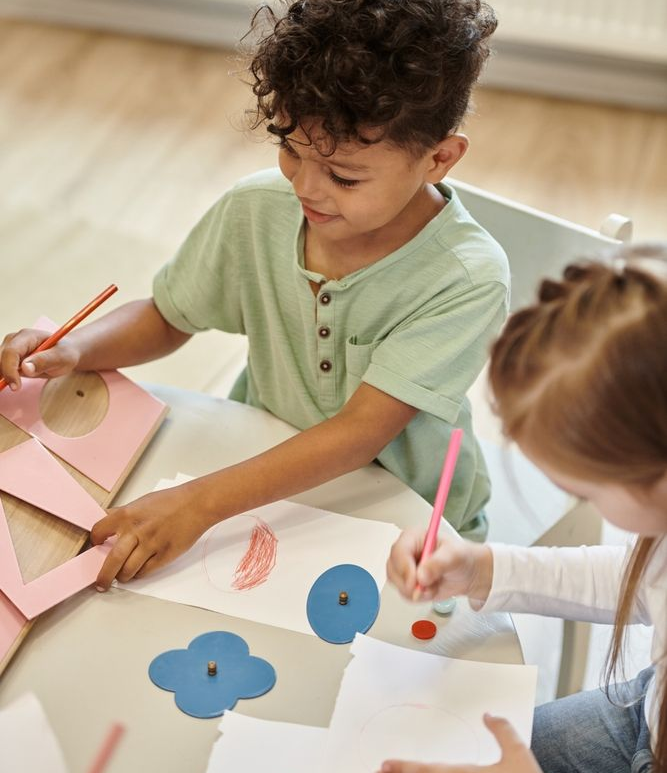
Bringing follow-the-child Montessori habits into family life takes no special materials. A few small shifts make Montessori at home feel natural:
- Watch before stepping in. Give a struggling child a moment to try another approach before offering help.
- Offer two choices. “Red cup or blue cup?” lets toddlers decide while keeping the options manageable.
- Set up for independence. A low hook for coats or a step stool at the sink puts everyday tasks within reach.
Simple
practical life activities at home, like pouring water, folding washcloths, or rinsing berries, build the same focus and confidence children practice at school.
Schedule a Visit to See Child-Led Learning in Geneva
Seeing a work cycle in person often answers what words can’t. Families in Geneva and nearby towns are welcome to
schedule a visit at Mansio Montessori and watch children choose, focus, and finish on their own. Bring along
a few questions to ask during a Montessori preschool tour.