
When Should You Start Thinking About Early Childhood Education?
Share this Article:
Did you know that the human brain’s ability to absorb new information is greatest at age 3? Taking advantage of such an era of learning begins with early childhood education.
An early childhood education allows students to bridge the education gap between low and high-income students. In the past, studies have shown a notable gap in the educational abilities of kids of low socioeconomic status compared to children of high status. Studies have also shown that early childhood education has increased high school graduation rates, improved performance on standardized tests, and reduced the number of students who must repeat a grade.
What is Early Childhood Education?
Early childhood education (ECE) includes both formal and informal education starting with young children all the way up to age 8. An ECE is essential for a child to develop and can significantly shape future success and abilities. What ages are early childhood education? ECE is typically thought of as preschool, meaning that children ages 2-4 are most often part of early childhood classrooms.
When to Think About Early Childhood Education
Generally, it’s never too early to start thinking about enrolling your child in an early childhood education program. Different schools will have different guidelines for determining what ages they accept children into early programs. Humans can always be learning, so even before joining a program, parents and individuals invested in a child’s home life can instill the building blocks of education from birth.
What Age Is Early Childhood Education?
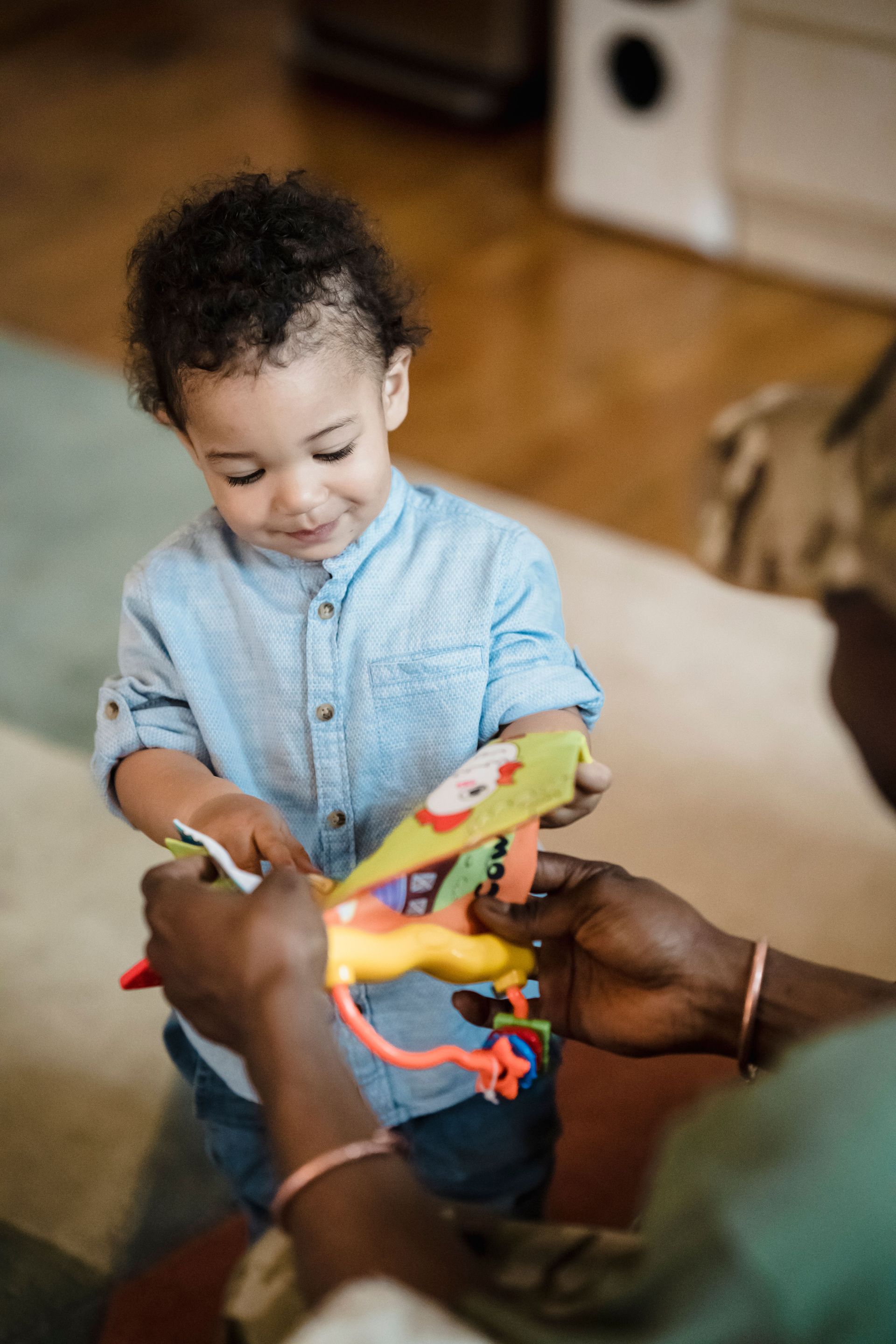
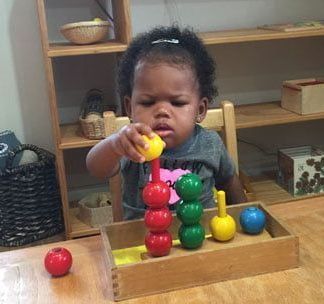
At 15-24 months, a child can start to learn vocabulary as well as coordinating their body and the space around them. Children can learn independence by choosing their own snack or activity and cleaning up after themselves.
At ages 2-3, children continue to grow through cognitive development, speech, courtesy and language development, and fine and gross motor skills improvement. They can be given the ability to wash their hands, get dressed, use the toilet independently, and clean up after themselves.
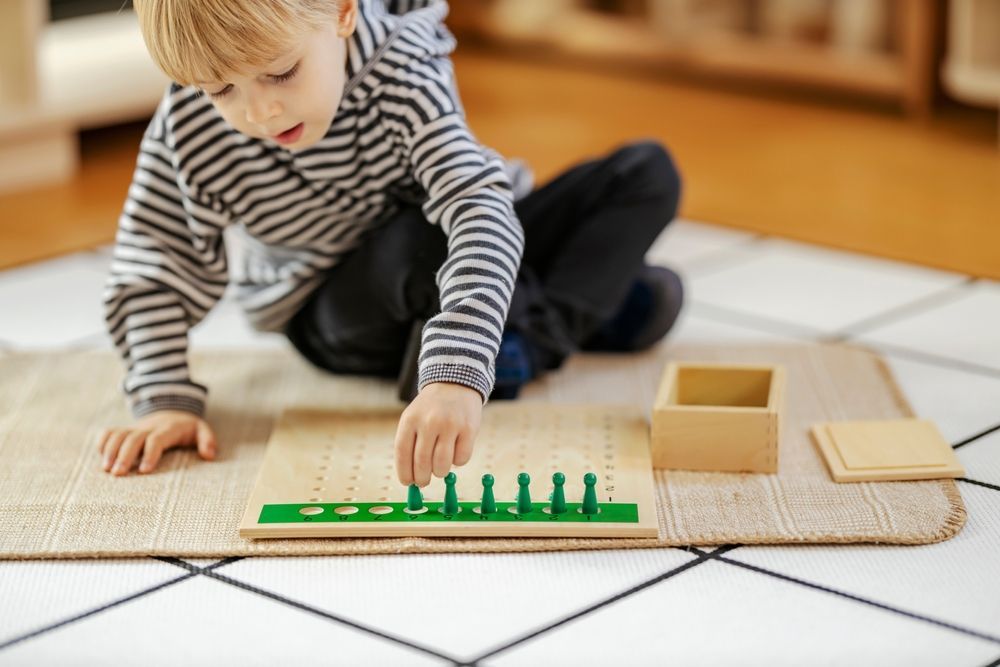
During preschool, ages 3-6, children will start to reach their full potential. They can create a positive self-image and continue growing in independence. They will have the ability to try out new skills at their own pace.
Overall, an early education can start as early as 15 months and continue through age 6. It is up to you to decide when to place your child into a program, but the earlier they start learning skills, the likelihood for future success and development increases.
What Does Early Childhood Education Consist of?
According to the National Education Association, a high-quality ECE should include a well-rounded curriculum that supports all necessary areas of development. The educational program will address the nutritional and familial needs of the child. Children will be assessed in order to identify any concerns and enhance learning. ECE teachers are required to be well-educated and adequately paid. Finally, small class sizes with low teacher-to-child ratios will be characteristic of every classroom.
What are the Benefits?
An early childhood education provides benefits that last a lifetime, creating potential for high success in the future.
- Promote brain development
- Help develop 21 st century skills to prepare for future success
- Encourage holistic development
- Enhance learning by using age appropriate technology
- Socialize in a safe environment
- Teaches respect for people, belongings, and environment
- Exposure to diversity & the value of differences
Along with mental, physical, and social benefits, childhood education programs deliver health benefits. Receiving quality care from early childhood programs allows learning and development to be positively influenced. Regular vision, hearing, and developmental screenings ensure that children are properly taken care of.
Why Should You Enroll Your Child in Early Childhood Education?
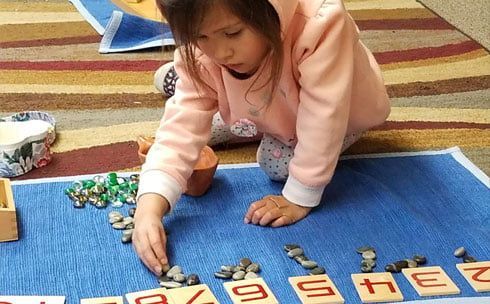
One of the most important reasons to start school early is to challenge children in a new way. Academics are an influential part of learning and life. Learning how to read, write, and understand basic math skills doesn’t start in kindergarten. Most children start to learn how to read around age 3.
Exploring the environment and interacting with adults in their life allows babies to start learning. They can learn in more sophisticated ways based on elements like toys, words, and the way people speak to them.
Early childhood years are when developmental changes happening to a child’s brain can have important, lasting effects on the child’s future. Studies have shown that early progress is what lays a great foundation for future learning. Enriching experiences in early years will promote and support healthy development for children as the brain progresses.
The Structure of High-Quality Early Education
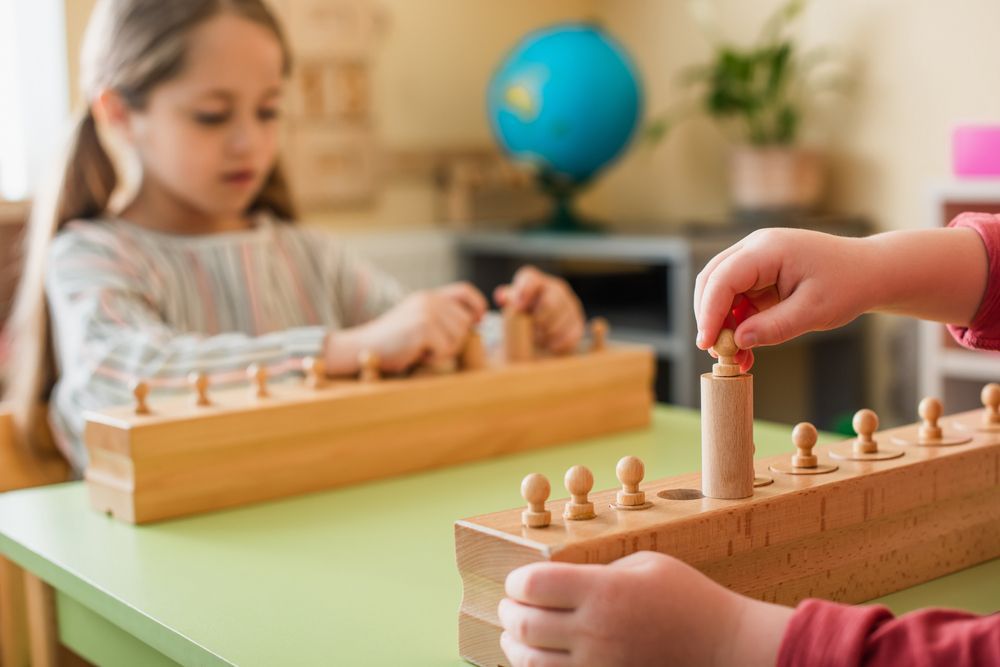
When it comes to receiving education in the early years, high-quality instruction has great value. Teachers should be well-educated and equipped to provide children with the proper abilities and knowledge that they need in order to be successful. The teacher should have the ability to build a child’s knowledge and thinking skills, check their progress, create the proper learning environment, help children develop listening and speaking skills, and teach them about books, letters, numbers, counting, print, and the sounds of language. Curriculum should be well-planned and include variety, allowing for exploration.
The program itself should include a balance of individual, small, and large group activities in order to further enrich learning and socialization abilities. The schedule should be something that children can follow without feeling rushed in completing necessary activities.
Enroll Your Child in Early Childhood Education
At Mansio Montessori , we understand that each child is unique in their learning abilities.Each of our qualified, skilled teachers work hard to meet children and give them the knowledge they need to be successful – on their own. We create a well-prepared environment in order to encourage a child’s highest potential.Don’t hesitate to contact us for questions or to schedule a tour of our school!