
Montessori Life Skills: Building Foundations for Life
Share this Article:
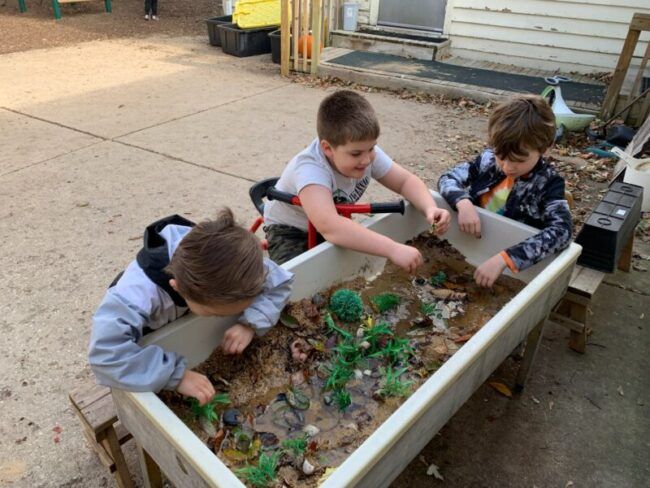
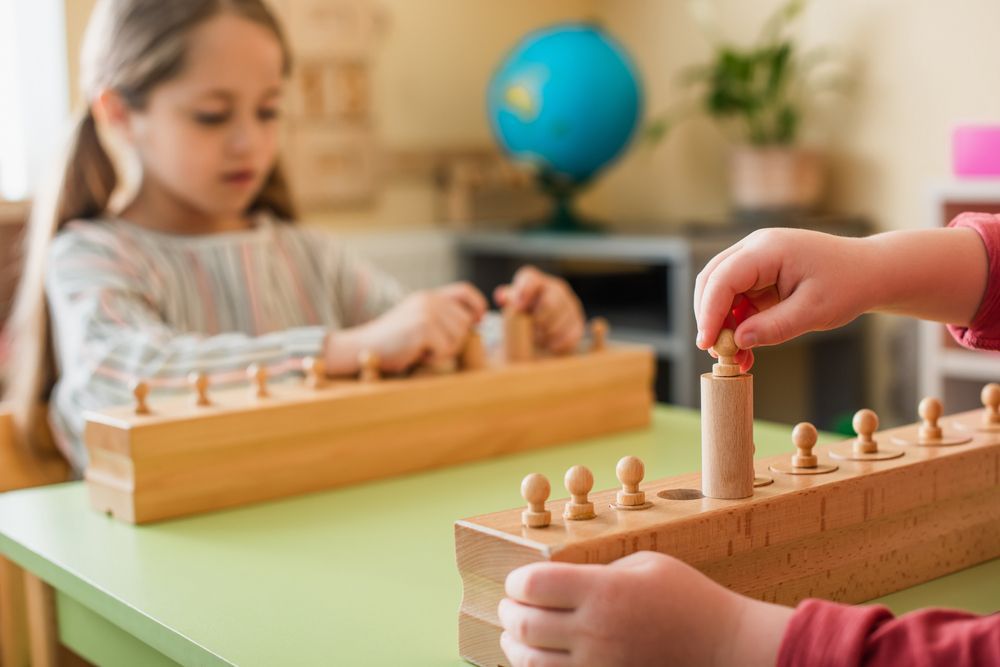
In the realm of Montessori education, practical life skills are foundational pillars that sculpt not just a child's immediate experiences but set the stage for a lifetime of capabilities. Beyond traditional academics, Montessori places immense value on the importance of everyday skills—activities such as dressing, cleaning, and environmental care. Despite their apparent simplicity, these tasks serve as potent instruments for nurturing independence, concentration, and responsibility. Extending from
preschool and reaching far into the future, Montessori practical life skills instill qualities that go beyond the confines of the classroom, equipping children for a tomorrow where self-sufficiency and meaningful engagement come naturally.
Foundation Laid In Early Years
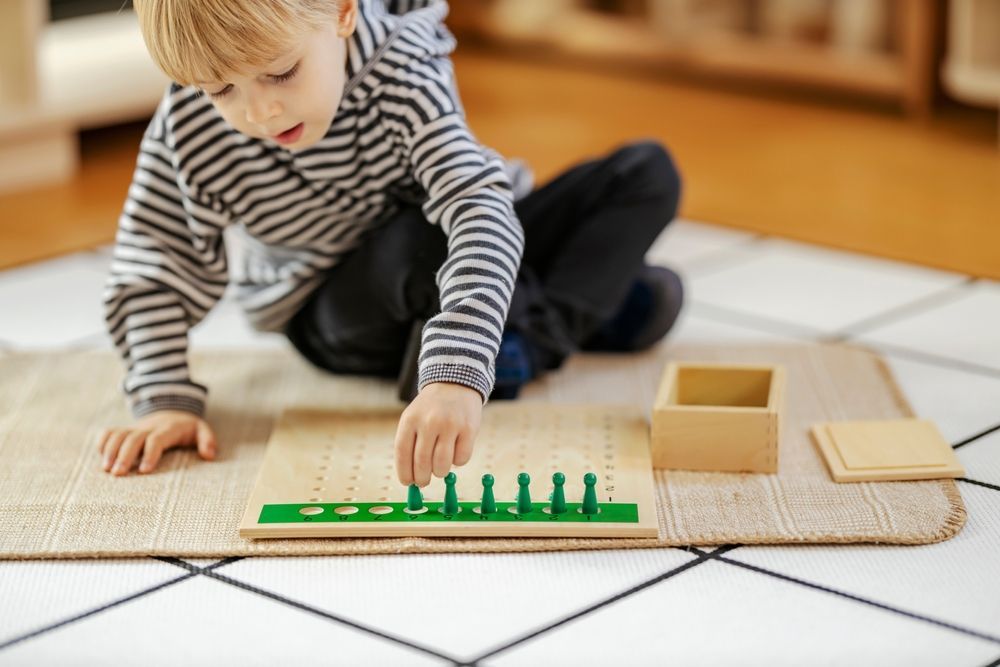
The groundwork for essential life skills begins in the early years of a child’s Montessori education. The curriculum revolves around practical life skills, focusing on simple yet crucial tasks. From learning to dress independently to mastering care routines, young Montessori learners build a foundation rooted in self-sufficiency. These
formative years emphasize the significance of everyday activities, creating a seamless integration of practical life skills into a child’s daily routine. By embracing these tasks, children not only gain independence but also foster a sense of responsibility and capability. The early exposure to practical life skills sets the stage for a lifetime of competence and adaptability, laying a solid foundation for future challenges and accomplishments.
Beyond Preschool
As children transition beyond preschool, the Montessori approach to practical life skills adapts, introducing more intricate and age-appropriate activities. Here, the emphasis shifts towards perfecting motor skills, nurturing problem-solving abilities, and cultivating a profound sense of personal responsibility. These skills
extend far
beyond the classroom, seamlessly integrating into a child's daily interactions with the world. No longer confined to the school setting, these practical life skills become intrinsic aspects of a child's character, shaping how they navigate the complexities of life beyond the educational realm.
Nurturing Independence
In the journey of developing Montessori practical life skills, a central objective is to foster independence in children. Beyond the surface of seemingly routine activities like packing lunch or organizing their workspace, lies a profound opportunity for children to take command of their immediate environment. These seemingly mundane tasks are, in essence, powerful exercises that empower children to make choices, find solutions, and cultivate a sense of autonomy. Each decision, no matter how small, becomes a building block in the construction of their self-reliance—an invaluable asset that not only aids them in their academic endeavors but also resonates in their personal pursuits, setting the stage for
a lifetime of confident and self-directed living.
Attention to Detail
The Montessori directress pays close attention to details in every presentation that they present to the child. I read an interesting comparison with the importance of details whether it be in a classroom or in the basketball arena. Coach John Wooden, who brought UCLA to ten successful championships in the NCAA, indicated that at their first practice he has his players work on putting on their socks. He demonstrates just how to do it. He carefully rolls each sock over his toes, up his foot, around the heel and pulls it snug. He then goes back to his toes and smooths out the material along the sock’s length making sure there are no wrinkles or creases. His purpose is two fold: wrinkles can cause blisters, and blisters can costs games. The main point is to learn how crucial seemingly trivial details could be.
Mundane to Meaningful
In a
Montessori classroom, we call our environment “prepared” – preparing children for life. Our thrust is to break down each “work” into several simple steps so the child understands the need to concentrate and carefully carry out each step. Our goal is to engage the child in focusing on the specific steps or details to insure success in mastery of the task. The next time your child says “
I washed my dishes ”, think of it as a process of ten details or steps, which is not easy for a young child. The purpose is twofold: eliminating dirt reduces germs and reduced germs creates a healthy life.