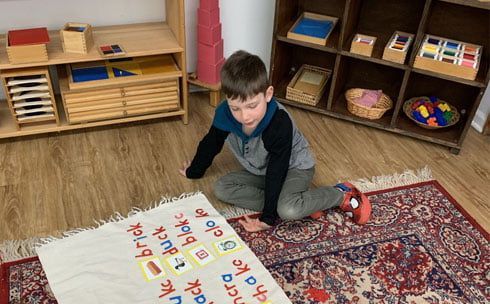

Beyond the Classroom: Applying Montessori Techniques at Home
Share this Article:

Montessori learning doesn’t have to stop when your child leaves the classroom. If you take the time to carefully prepare your home environment, the learning, creativity, and independence fostered through school learning programs can extend to the home. Here’s how to develop a Montessori home.
What Does a Montessori Home Look Like?
In the Montessori classroom, the Prepared Environment allows learning and independence to thrive. The same is true at home. You will design your home so that children can safely learn and explore at their own pace and with built-in opportunities to learn. While this doesn’t require a ton of special educational equipment, it does require thoughtful preparation.
In a Montessori home, you will find:
- Simple, functional furniture
- Kid-sized real-world tools
- Order and cleanliness
- Organizational structure
How to Create a Montessori-Inspired Home
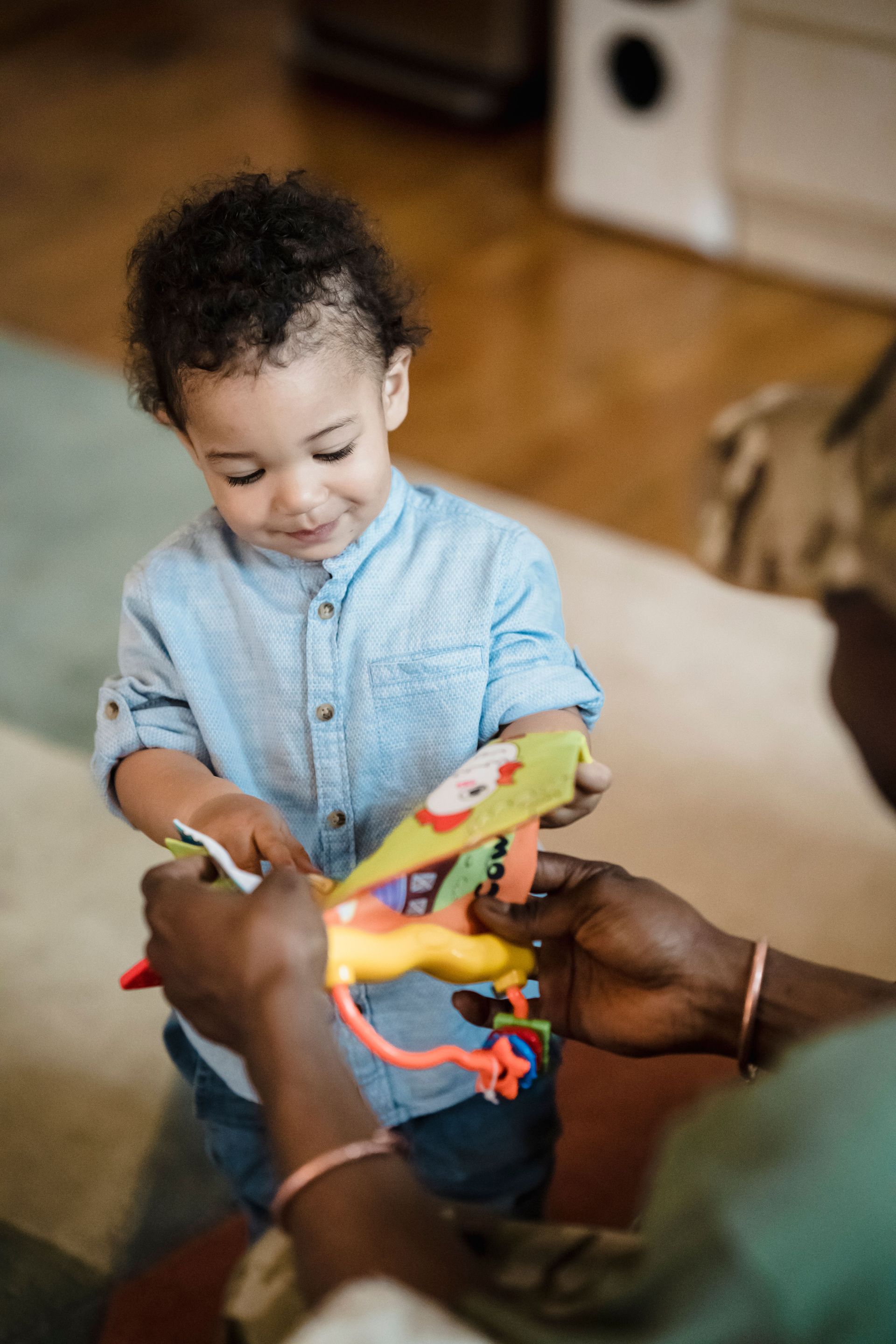
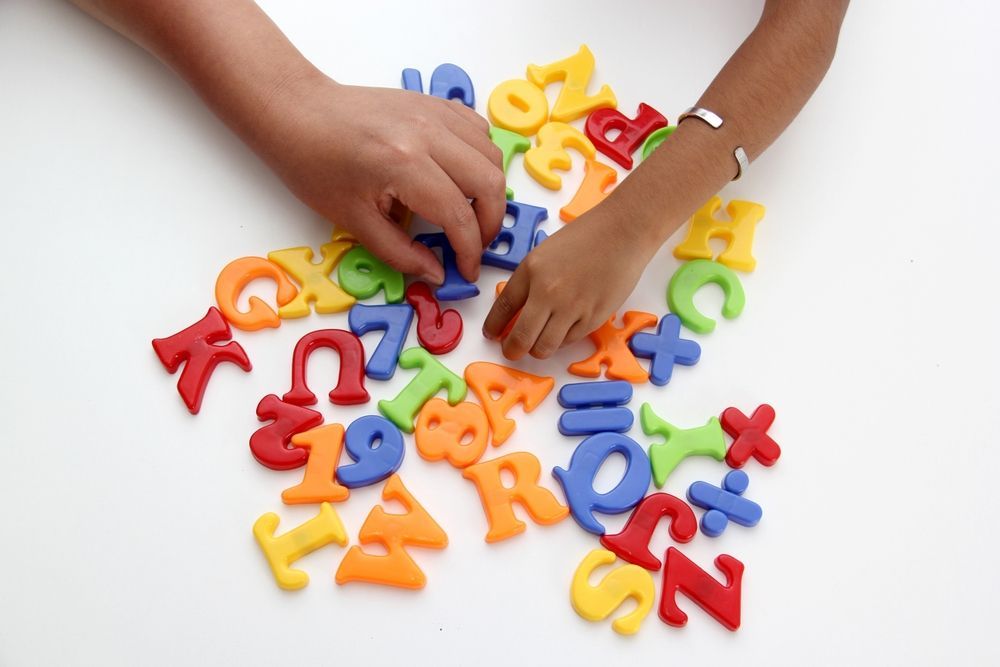
Practically speaking, what does this look like at home? First, a Montessori-inspired home has clean, clutter-free furniture that eliminates distractions. It has organized storage that encourages children to keep their space tidy. It is not packed with plastic, noise-making toys but rather thoughtful playthings that encourage natural exploration, imagination, and kid-appropriate work. It will also have tools kids can use to cook, clean, and perform other work around the home as a natural part of the family.
Encouraging Independence in Kitchens and Bathrooms
A key factor in Montessori education is encouraging independence. In the kitchen, you will invite your children to participate in meal prep, cooking, setting the table, and cleaning up. They will have the freedom to move freely through the space, which means less reliance on booster seats or high chairs and replacing them with a child-sized chair and table set. Healthy snacks and drinks that are accessible allow children to serve themselves for snack times, and step ladders that let kids access the sink areas will encourage them to help with cleanup. This is a space where Practical Life Activities can easily come home.
In the bathroom, your child can learn personal hygiene independence. Here, allow your child to see you brushing your teeth and washing your hands. Use a step stool so your child can reach the vanity independently, and provide face cleaning cloths so your child can wash their own face. For toddlers, child-sized potties that have flushing action will foster independence with toilet training. While you may need to provide some assistance with oral healthcare until they are developmentally ready to do a good job, always encourage them to try independently first. Remove toys and clutter so this space feels like a place to work on personal hygiene and nothing more.
Designing a Montessori Bedroom for Creativity & Calm
In the bedroom, your focus should be twofold. First, this should be a space that encourages your child to be creative. Have a station for art supplies or a child-sized desk where they can let their creativity shine.
In the closet, make the space accessible using low-hanging rods so your child can hang their clothes up or choose an outfit easily. Limit the number of items in the closet so your child can easily select appropriate clothing independently. Ensure that the child learns to put clothing away daily to keep the space organized.
Encourage tidiness by limiting playthings in the bedroom. Remember, in the Montessori method, this should be a space primarily for self-care and rest, not play. Limiting distractions will also make it easier for older children to do their work, such as reading or other school assignments, more successfully.

Transforming Play Spaces into Learning Environments
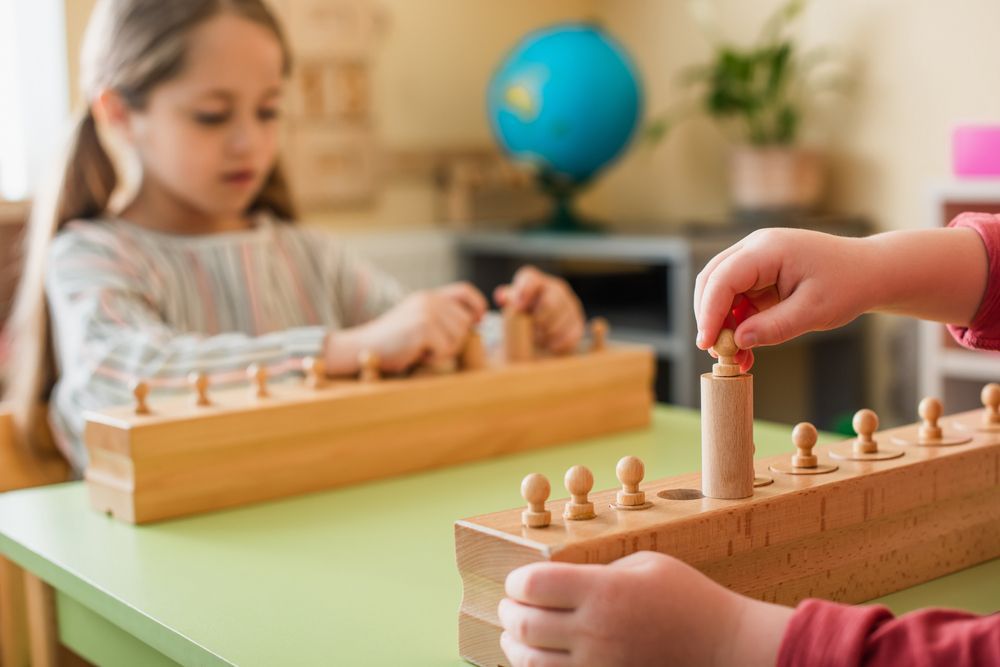
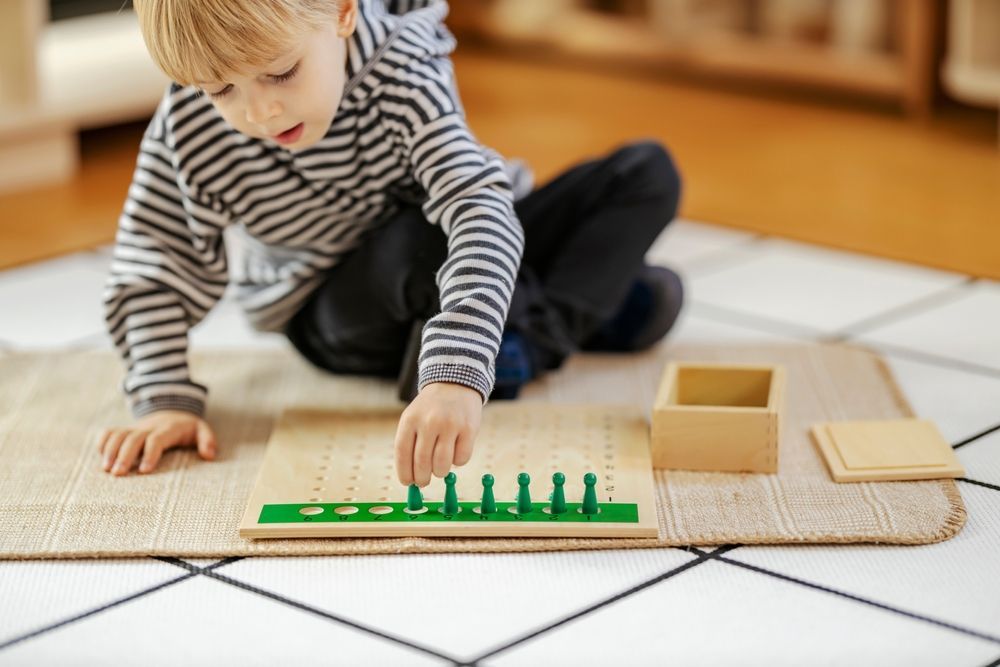
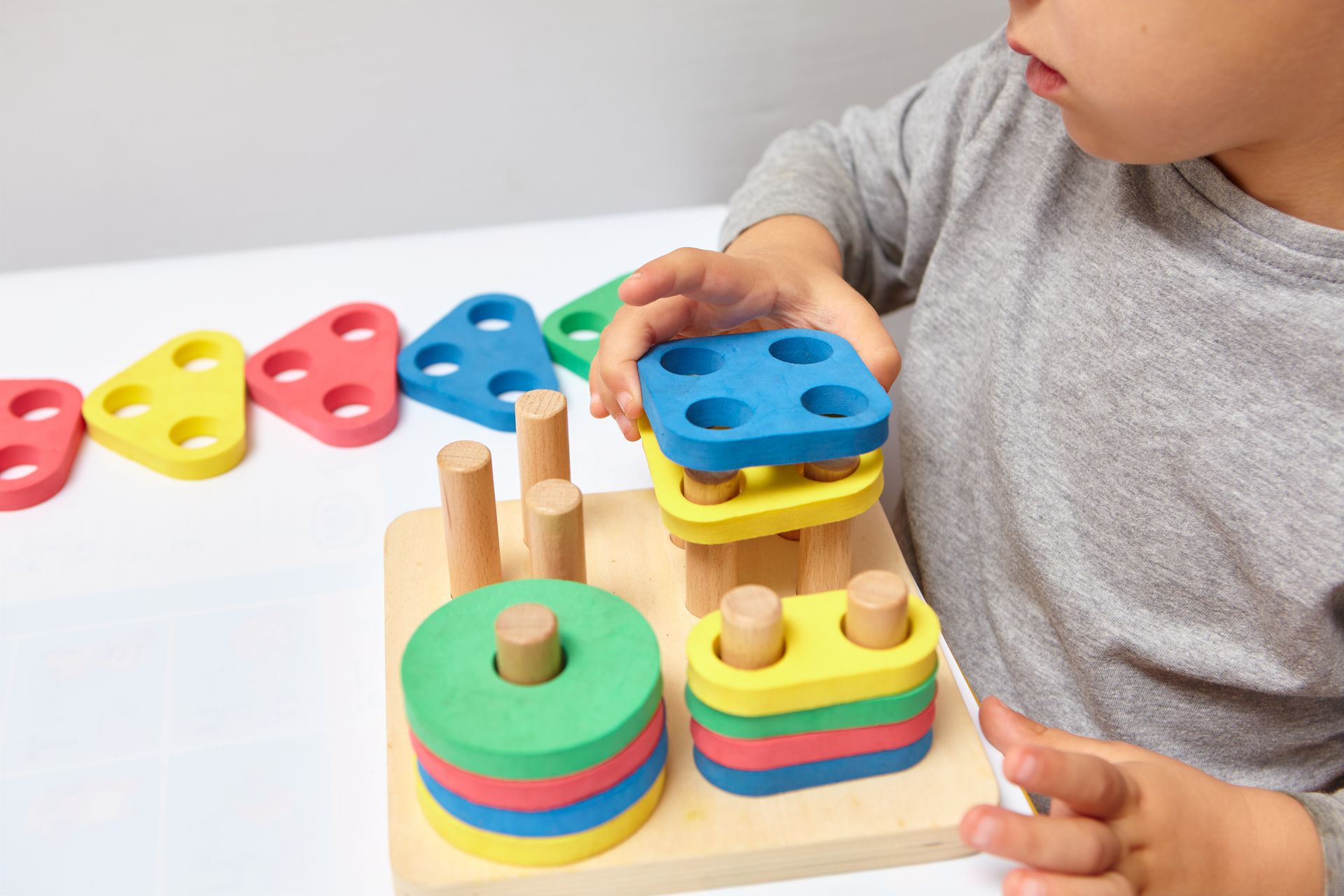
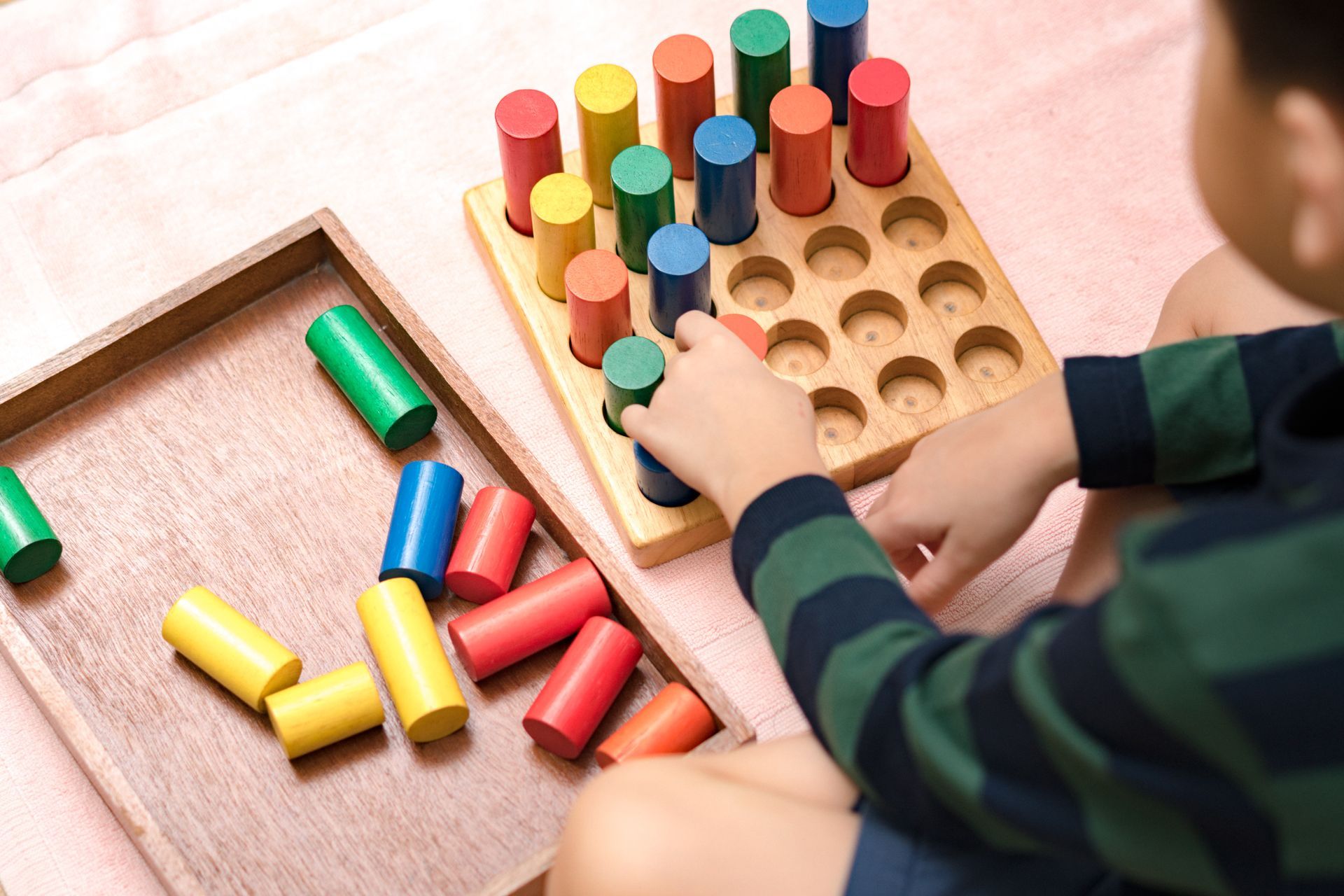
Wherever you set up your play space, keep the focus on learning activities. One problem that many young children have is that there are too many options for play. Instead of buying every activity to prevent boredom, focus on no more than eight activities available at a time. All activities should serve a learning purpose.
For instance, you may have a bin of toy animals, a bin of color and shape activities, a bin of toy vehicles, and a bin of dolls for imaginative play. If all four of these are available at once, your child will have plenty of opportunities. You can then have other bins that you rotate out about once a month. Keep these easily accessible, easy to clean up, and open-ended, and you may find that your child enjoys playing more than they do with too many options.
Parenting the Montessori Way
Setting up your home is just the first step. You also need to adjust your parenting to follow the Montessori way. Here’s how this might look.
Observe Without Interfering
Watch your child at home without providing interference or input. Do they seem to be able to keep the space orderly and tidy without your help? Do they seem overwhelmed by too many choices? Do they have playthings and
hands-on learning learning tools that are no longer interesting? By observing without interfering, you can adjust the home environment better to suit your child’s interests and level of development.
Engage and Adapt to Your Child’s Needs
The best way to engage with your child is to model activities you wish them to learn, then invite them to try and practice. You may need to show your child a new skill multiple times before they start practicing, but if you keep inviting them to join you, they eventually will.
As you engage, give your child choices. The ability to choose for themselves fosters independence and confidence, and it also shows you what your child enjoys.
When you find something in your Montessori home isn’t working for your child, adapt. Each child is unique in their needs and learning stage, and the beauty of Montessori is the independence it provides that allows the space to adapt to your child’s specific needs.
Practice Patience and Trust the Process
Montessori is not always a fast learning process, but it does work. Children feel more ownership over their bodies and their environment, and they take pride in keeping it tidy. You will see growth and development but be prepared to practice patience. Specifically, remember that mistakes and messes will happen in a Montessori home, and often, that’s how your child learns. Be patient and teach them to learn from those incidents, and clean up when appropriate, and soon, you will find your home is a thriving space of learning.
Mansio Montessori is Here to Support You
Remember, Montessori education isn’t just for school. It’s for life. If you are looking to make your home a Montessori home and an extension of your child’s Montessori education, Mansio Montessori is here to help.Schedule a visit to our learning center and see the difference that enrolling in a Montessori program could make in your child and your home.