
Key Differences Between Montessori vs Traditional Preschools
Share this Article:

When Maria Montessori fashioned her unique method of education in 1906, she noticed “that before long, the children [in her program] exhibited calm, peaceful behavior, periods of deep concentration, and a sense of order in caring for their environment.” After her initial success, Maria’s method grew popular in Italy and has only continued to expand. Today, there are nearly 20,000 Montessori schools around the world, 4,500 of which thrive in the United States. What about Maria’s methods sparked such a significant flame in the atmosphere of education? How does her methodology differ from traditional education? Below we explore four of the primary differences between the design of Maria Montessori vs traditional school.
Philosophical Differences
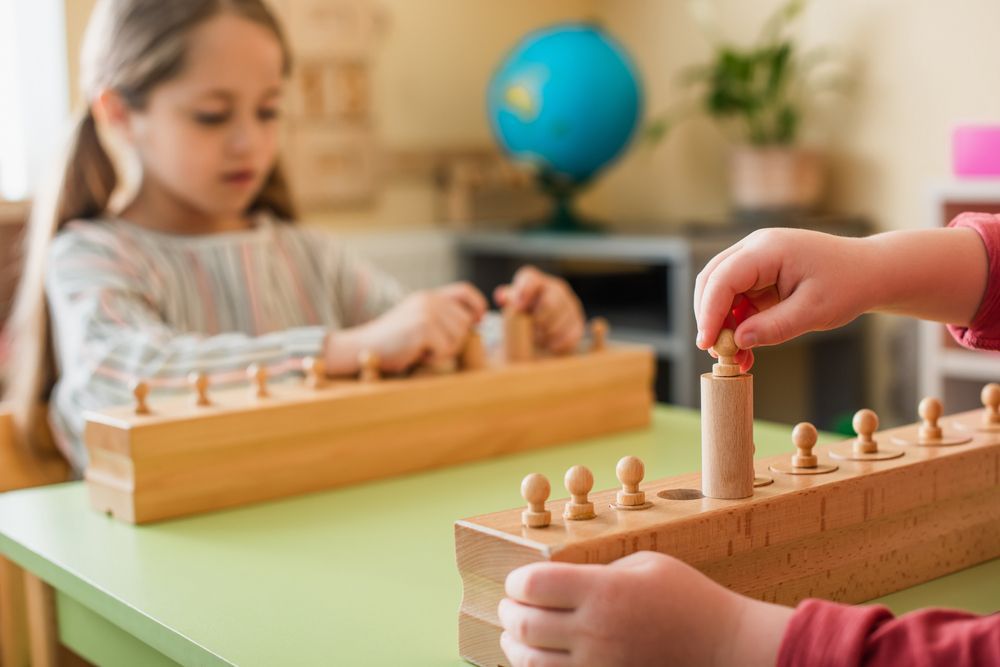
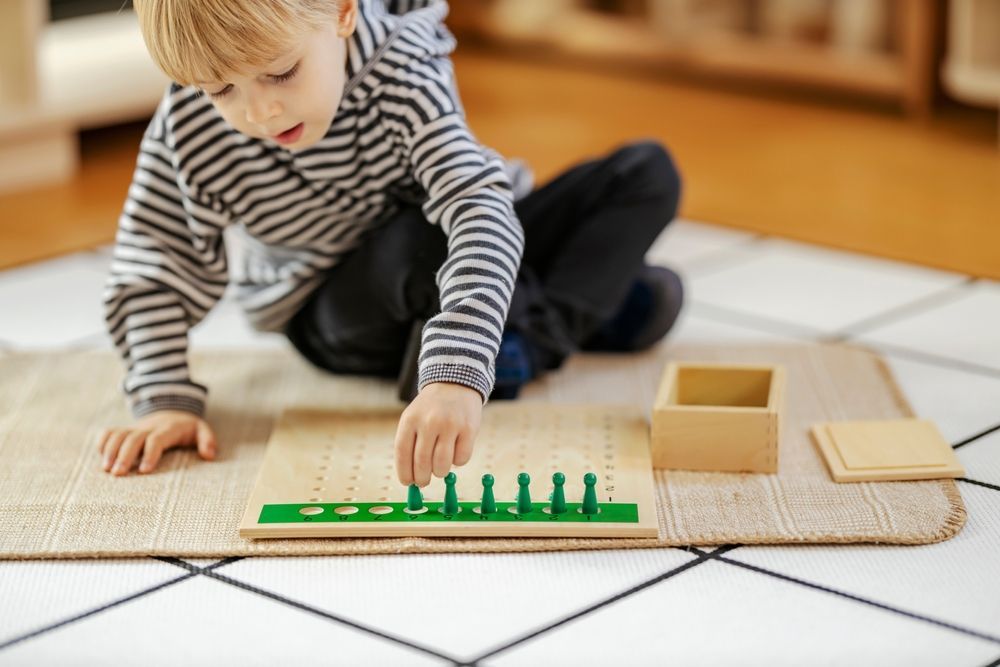
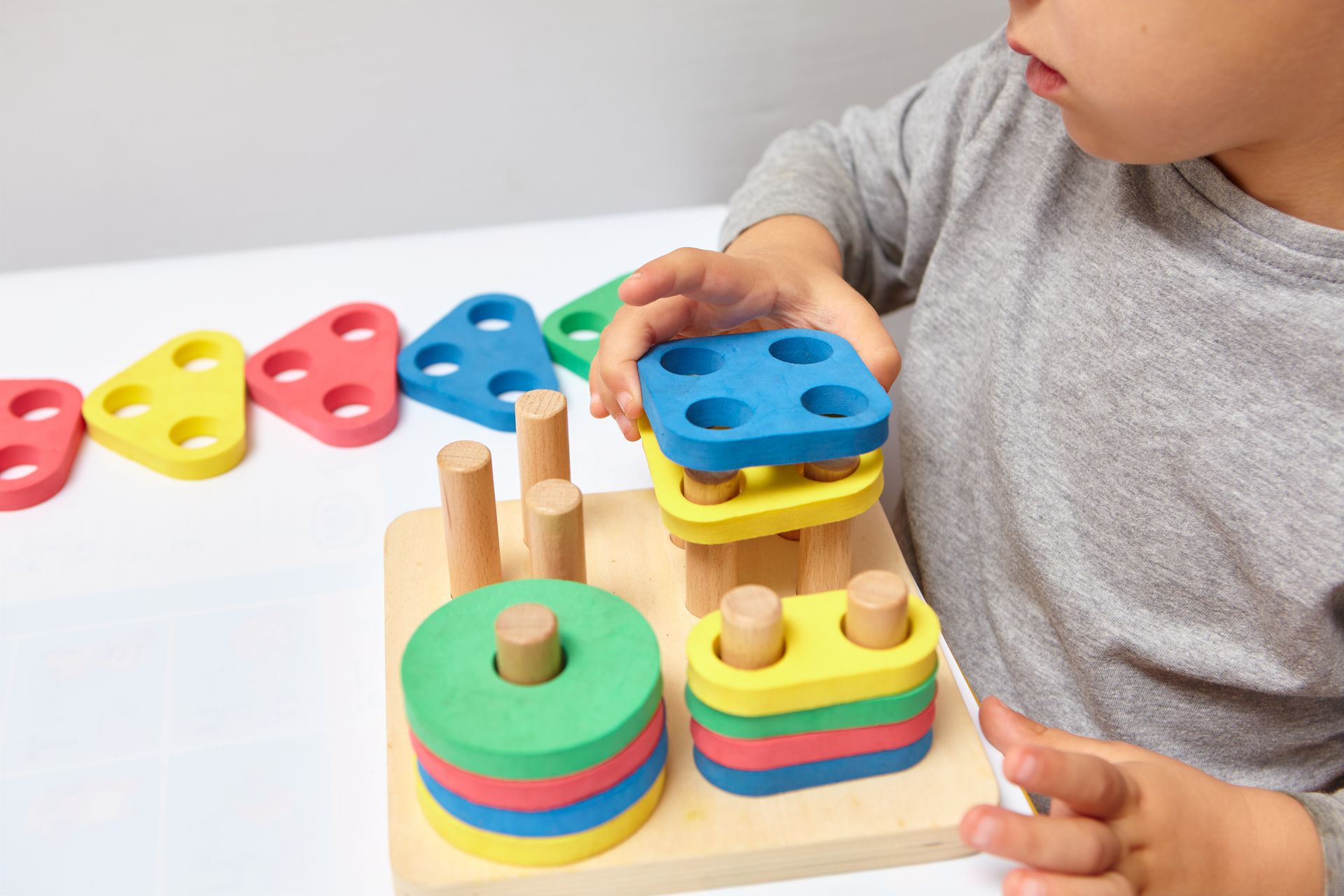
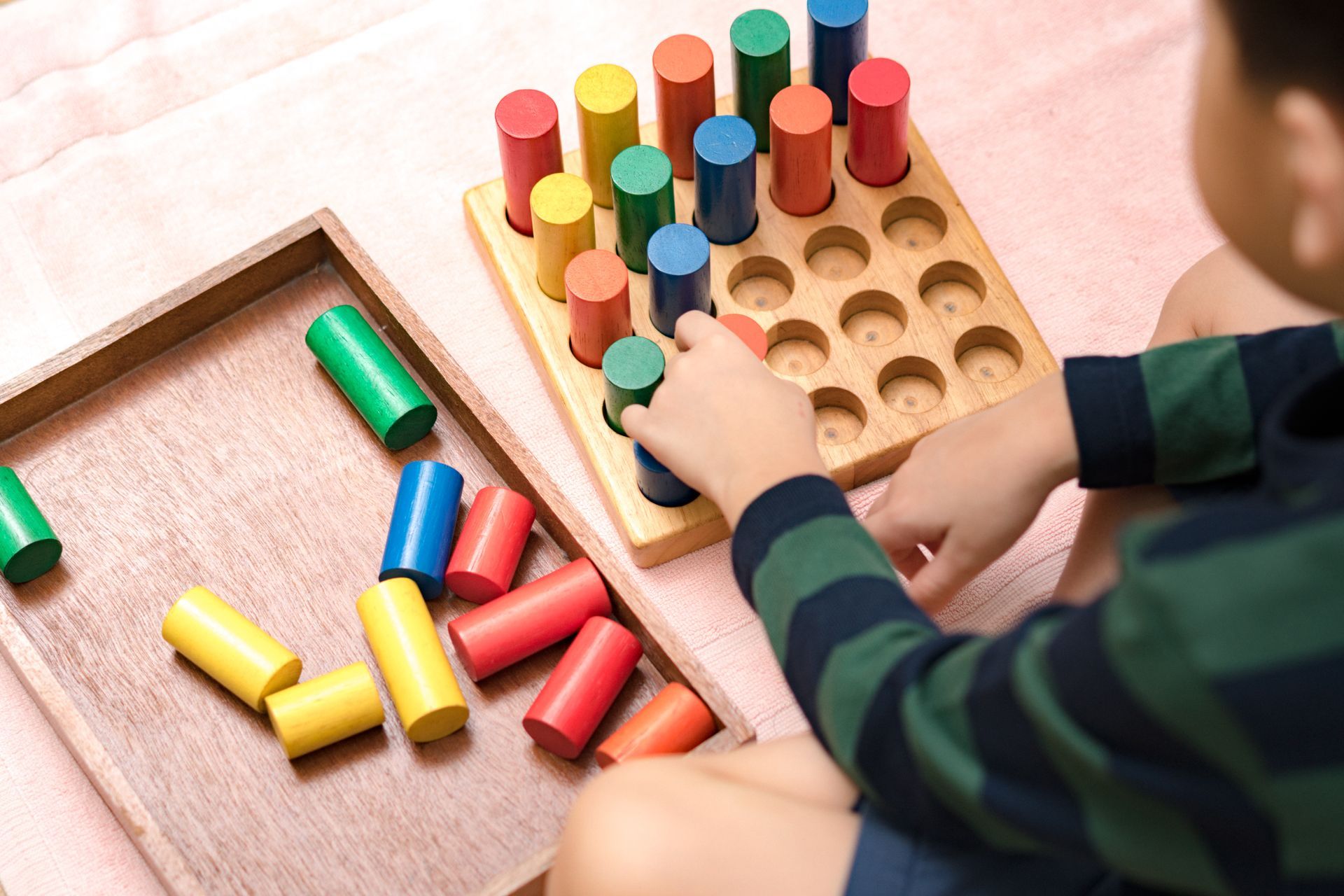
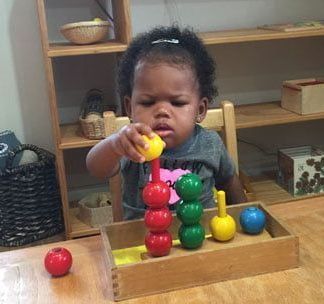
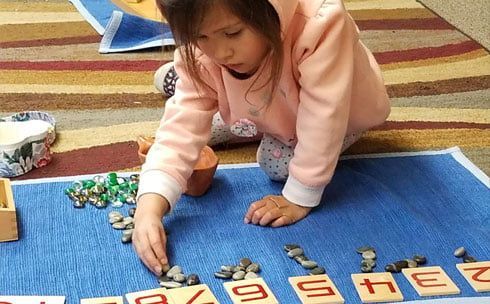
The Montessori philosophy focuses on play as a child’s primary occupation and the most effective medium of learning. Therefore, Montessori programs are directed and paced by the child, forming unique, individualized, and adaptable experiences for every student. Teachers are trained to watch, notice, and facilitate activities. Ultimately, the goal of child-driven education is “that the children become more confident, independent, self-regulated, and self-disciplined.” Traditional schooling emphasizes memorization, fact-learning, schedules, and standardized classes.
Learning Environmental Distinctions
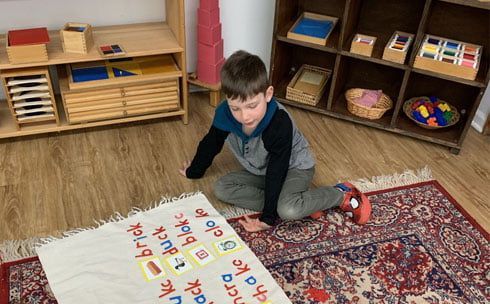
Montessori-method schools design the classroom environment with learning goals in mind. Classrooms in Montessori preschools are often strategically split into five learning areas: language, math, practical, life, sensorial, and culture. Further organization is sometimes theme-based or constructed on the specific needs of individual students. To facilitate learning, items can even be removed or added to the learning environment during the course of the class. In comparing Montessori vs traditional school environments, former Montessori instructor Carol Anne Wien wrote: “A traditional school environment tends to be highly structured in terms of time…but it’s loosely structured in terms of space. Montessori is the reverse… If you know where children are in the room, you know what they’re doing, but the time is free.”
Level Determination
Traditional schools place children into grade levels based on age. For example, traditional high school classrooms are usually full of 14-17-year-old students. Montessori schools show greater flexible within grade levels, taking developmental range and age into consideration.
Purposes & Benefits
Montessori students develop and mature in unique ways during their educational journey. Children become self-regulated, imaginative, and socially aware. Allowed freedom and liberty to learn under observation, students develop a love for learning that will serve them for their entire life. “Never stop learning, because life never stops teaching,” is common but exceptionally true. Montessori students who develop a love for learning will continue accelerating throughout life, as life continues teaching! Traditional schooling emphasizes “intelligence” and testing. Learning is a requirement, mandatory to earn good grades, pass tests, and move on to the next grade level. While a love for learning may be achieved in unique individuals, it is not fostered and encouraged in the schooling system.
Discover the Montessori Difference at Mansio
Since 1981, Mansio Montessori has been educating children from 15 months to kindergarten through a warm, caring hands-on environment. We foster self-confidence, self-reliance, self-esteem, and resilience. Our mission is to guide today’s learners into tomorrow’s leaders. If you are interested in exploring the Montessori Method, contact us today or call us at (630) 232-6750 to ask a general question or schedule visit!